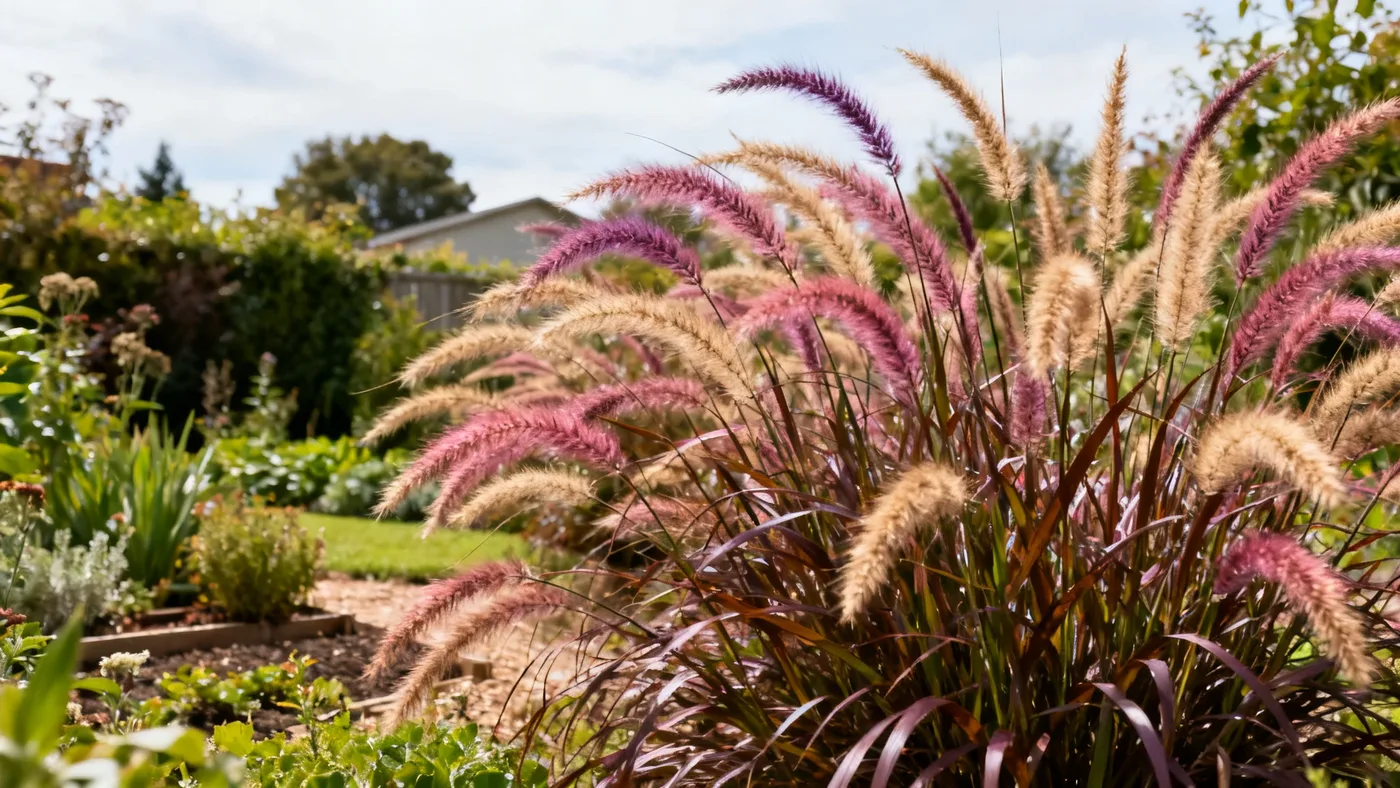
Karley Rose Fountain Grass Blooms: Color, Timing and Duration
If you're watching your garden right now in late September, Karley Rose Fountain Grass is likely putting on its most spectacular show of the year. The smoky rose-pink plumes are at peak intensity, catching morning and evening light in ways that make the plant worth every bit of garden real estate. If you're planning to add this grass to your landscape, understanding when and how it blooms will help you time your planting and set realistic expectations for three seasons of the year.
When Does Karley Rose Fountain Grass Bloom?
Karley Rose begins flowering in early summer, typically around June in warm climates, and continues through fall until frost. That window, June to frost, is generous compared to many ornamental grasses, and it's one reason the plant holds its own in mixed perennial borders and containers. The blooming is also described as reblooming, meaning you'll see waves of new plume development rather than one flush followed by nothing.
Timing varies by your USDA zone. In zones 8 and 9, you can expect reliable bloom from late June straight through October and sometimes into November before a killing frost. In zones 6 and 7, the bloom window opens a bit later and may end sooner depending on your first fall freeze. If you're at the edge of hardiness in zone 6, the plant itself overwinters reliably, but the timing of plume emergence may shift week to week compared to southern gardens.
First-year plants from nursery divisions will flower in their planting year. You don't have to wait until year two for the show. The plumes develop on new growth, so as long as your young plant has enough light and water through its establishment period, it will produce flowers the same season it goes in the ground.
The Color of Karley Rose Plumes
The most distinctive feature of Karley Rose is its plume color. These are not the white or pale pink plumes you see on some fountain grass relatives. Karley Rose produces smoky rose-pink to purplish-pink plumes that stand out boldly against green foliage or in a mixed border. The color is what earned the cultivar its name and what makes it worth seeking out instead of settling for a generic fountain grass.
The pink-purple tone is most vivid when the plumes are newly opened. Over time, as weeks pass and the plumes mature, they gradually fade to beige and tan. This is natural and expected. By late October or early November, if your plumes have persisted through the weather, they'll read more as buff or wheat-colored from a distance, though up close you may still see hints of the original rose tone. The fade-to-tan transformation actually extends the ornamental season because the dried plumes add winter texture and visual weight to the garden, especially in zones where you leave them standing for wildlife and winter interest.
The foliage itself contributes to the color story. The blades are fine-textured and arching, with a burgundy tint running through the green. As fall progresses and temperatures drop, the entire mound deepens to burgundy and bronze tones. This means your plant doesn't need the plumes to look good in October and November. The foliage alone carries visual interest through the season.
How Long Do the Blooms Last?
Individual plumes persist on the plant for weeks once they've opened. Most gardeners report that a plume will hold its color and form for 4 to 6 weeks at peak appearance before the fade-to-tan phase begins. Because the plant rebloom throughout the season, you're not dealing with one intense burst followed by bare stems. Instead, you get overlapping cohorts of plumes at different ages, which extends the visual show considerably.
The reblooming tendency means that even if you cut off some of the mature plumes for dried arrangements (which works beautifully), the plant will continue to push new flowers. This is practical if you want to bring plumes indoors: harvesting doesn't slow down the garden display.
The sterile or very low-viability nature of Karley Rose plumes is worth noting here. Unlike some fountain grass relatives that self-seed aggressively, Karley Rose produces little to no viable seed. The plumes you see are ornamental, not a risk to your garden's long-term management. You can leave them standing through winter without worrying about unwanted seedlings the following spring.
Seasonal Bloom Timeline by Zone
To make planning easier, here's how the bloom season breaks down by region:
Zones 8 and 9 (warm climates): Plumes emerge in late May or early June. Peak bloom hits mid-July through September. Many gardeners see a second wind of heavy flowering in late September and October as temperatures cool slightly. The show can continue until November if frost holds off.
Zones 6 and 7 (transitional regions): First plumes typically appear in June or early July. Peak bloom often arrives in August and September. Frost typically arrives by mid-to-late October, marking the end of the season. Treat zone 5 as marginal; the plant may survive the winter, but bloom timing can be unpredictable, and the flowering season will be compressed.
Container plantings: Potted Karley Rose tends to bloom slightly earlier than in-ground plants because containers warm faster in spring. This is an advantage if you want to extend the visual season in a cooler zone. Just ensure the pot drains well and you water regularly through the growing season.
Growing Karley Rose for Maximum Bloom
If you want plumes year after year, a few conditions matter:
Full sun. Karley Rose blooms best in full sun. It tolerates very light afternoon shade in hot climates, but reduced light will reduce flower production. Plant in a spot that gets 6+ hours of direct sun daily.
Well-drained soil. Waterlogged roots invite crown rot, which ruins bloom potential and the plant's survival. Your soil doesn't have to be rich or perfect. Average, sandy, or loamy soils work fine as long as water moves through. A neutral pH around 6.0 to 7.5 is ideal.
Moderate water until established. Young plants need regular watering their first season to develop a strong root system. Once established in year two, the plant is moderately drought tolerant. During bloom season, consistent moisture helps sustain flower production, but the plant won't fail if summer turns dry.
Light feeding only. Over-fertilizing is a common mistake that actually reduces flowering. A balanced slow-release fertilizer applied once in spring is plenty. Too much nitrogen pushes foliage growth at the expense of plumes and can cause the clump to flop or split.
Spring pruning, not summer pruning. Cut the plant back to 3 to 6 inches above ground in late winter or early spring before new growth emerges. No pruning is needed during the growing season. Cutting back midsummer will only delay or reduce blooming that year.
Peak Season Right Now
Late September into October is when this plant shines in most zones. The plumes are at or near peak color, the foliage is starting to deepen, and the days are cool enough that the blooms feel fresh rather than wilted by afternoon heat. If you're shopping for new plants, this is the ideal window to get one established before winter. A division planted in early fall has time to settle its roots before the heavy freeze, giving it a running start for bloom next summer.
For more detailed care instructions beyond bloom timing, see our complete growing guide for Karley Rose Fountain Grass.
Quick Bloom Reference
| Factor | Details |
|---|---|
| Bloom Start | Early summer (June in warm zones; late June/July in cooler zones) |
| Bloom End | Continues until frost (typically late October to early November) |
| Peak Bloom Season | July through September, with intensity varying by zone |
| Plume Color (New) | Smoky rose-pink to purplish-pink |
| Plume Color (Aged) | Fades to beige and tan over 4-6 weeks |
| Individual Plume Life | 4 to 6 weeks at peak color before fading |
| Hardiness Zones | 6-9 (zone 5 marginal with winter mulch) |
| Sun Requirement | Full sun (tolerates light afternoon shade in hot regions) |
| Bloom from Nursery Division | Yes, same year as planting |
| Seed Viability | Sterile or very low seed production |