Karley Rose Fountain Grass Care: The Complete Growing Guide
Key Takeaways
- Karley Rose Fountain Grass grows 24-36 inches tall and reaches full maturity in 2-3 years.
- Plant in zones 6-9 (zone 5 is marginal); spring planting after the last frost gives the best establishment.
- Requires full sun, well-drained soil, and moderate water once established.
- Cut back to 3-6 inches above ground in late winter or early spring each year.
- Blooms from early summer through fall with smoky rose-pink plumes that fade to tan.
- Generally pest-free and deer-resistant; low fertilizer needs prevent flopping and weak blooms.
Table of Contents
- What Is Karley Rose Fountain Grass?
- Growing Conditions and Site Selection
- Planting Your Karley Rose Fountain Grass
- Watering and Feeding
- Seasonal Care and Pruning
- Common Problems and Solutions
- Landscape Uses and Companion Plants
- Quick Reference Checklist
What Is Karley Rose Fountain Grass?
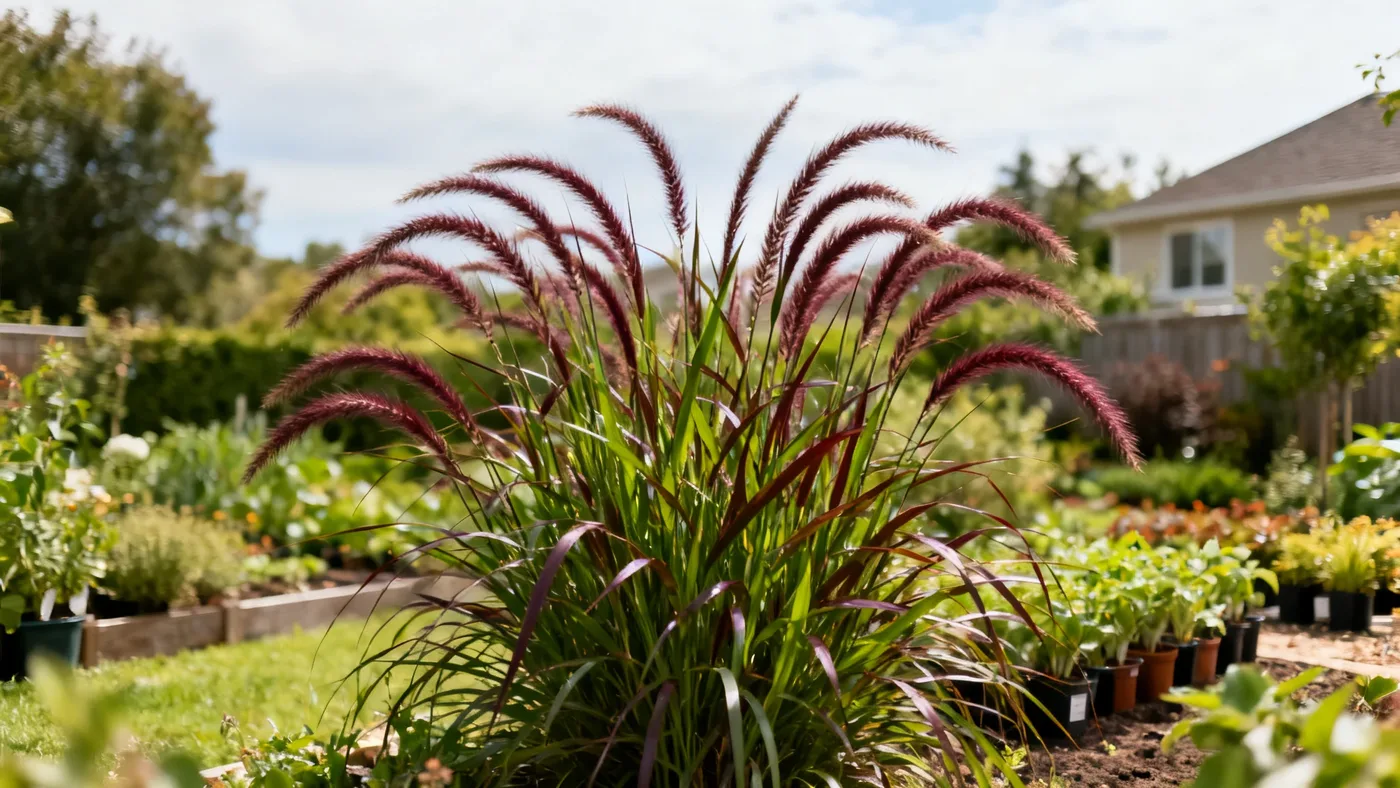
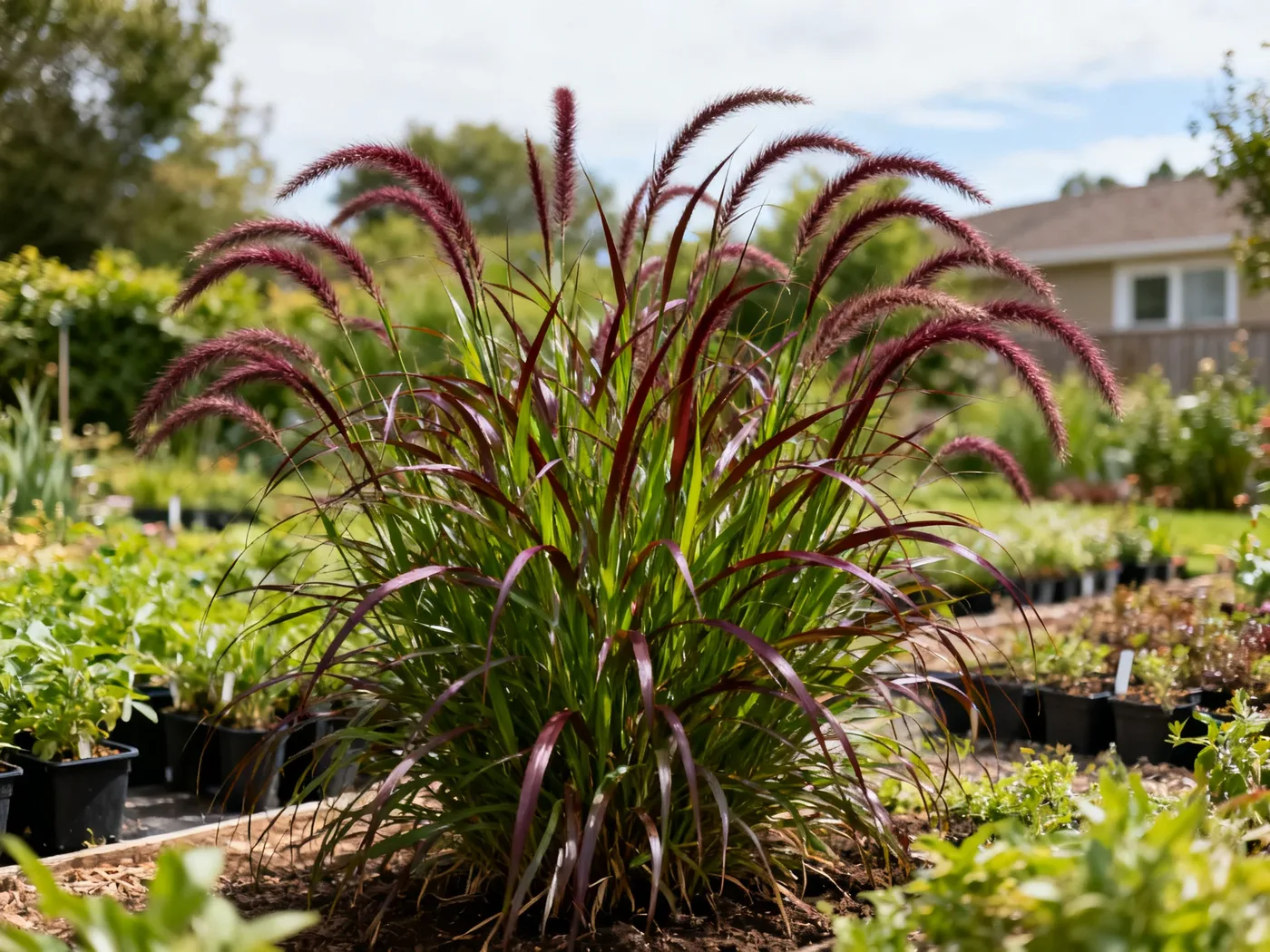
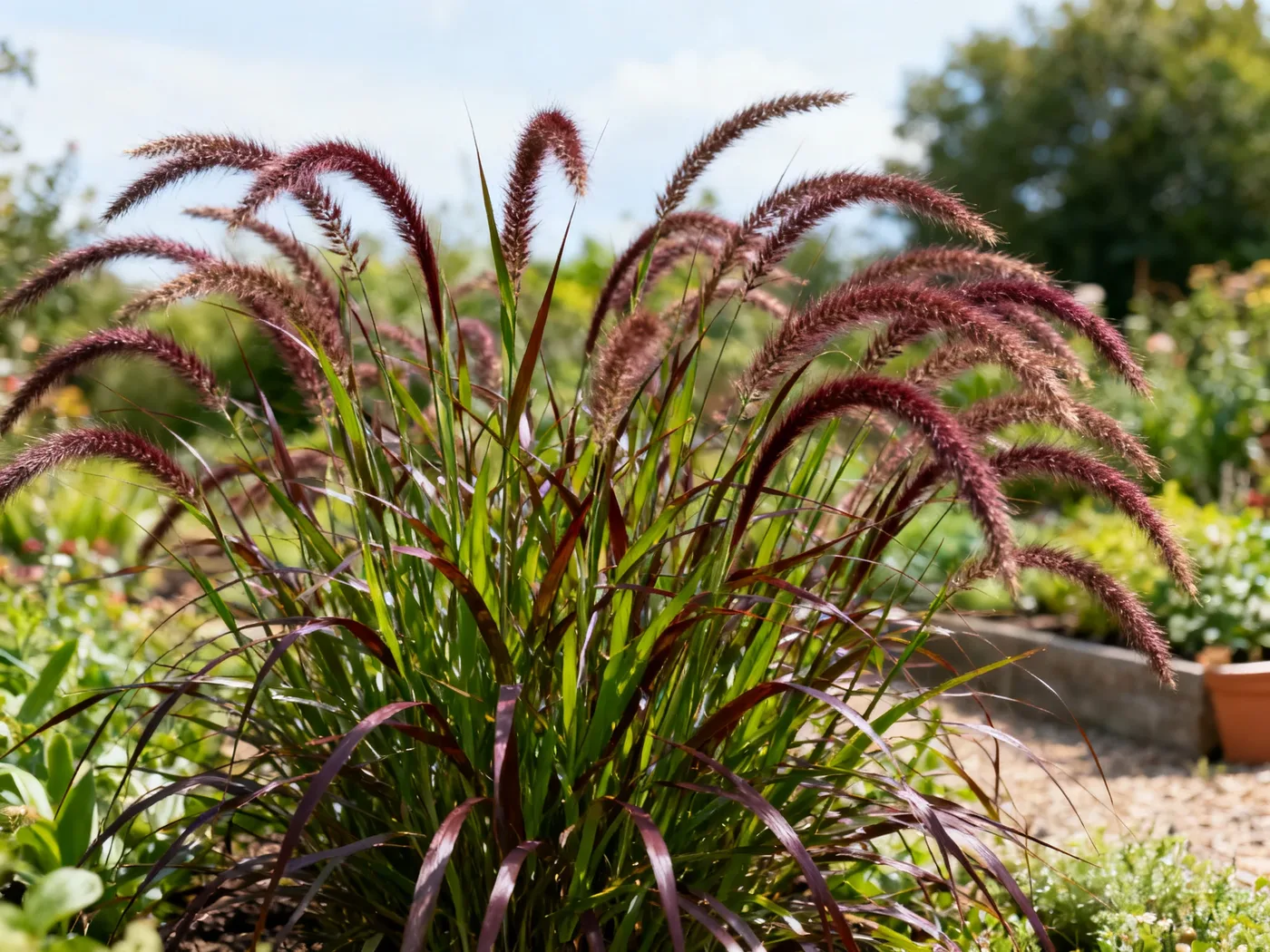
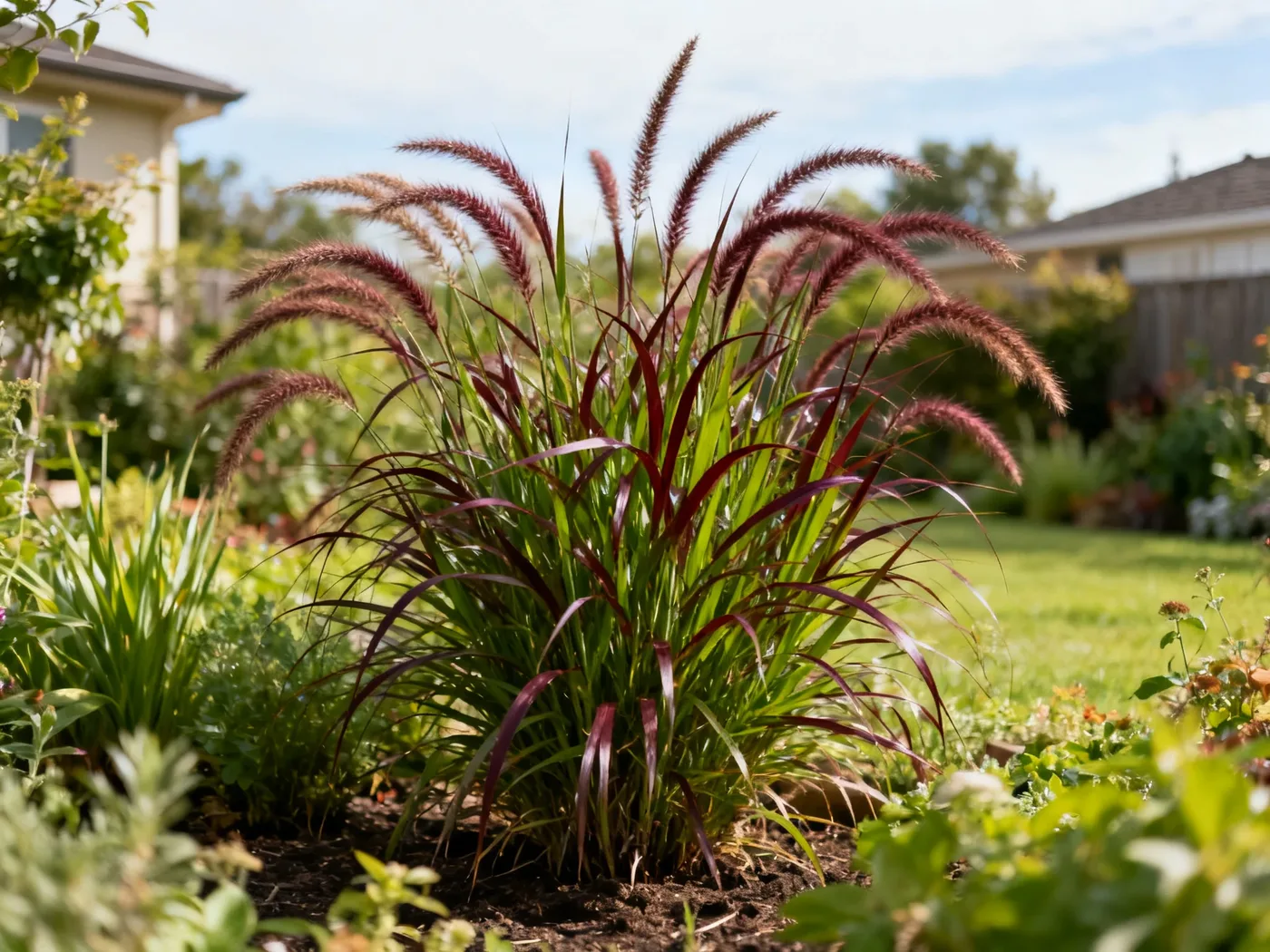
Karley Rose Fountain Grass (Pennisetum orientale 'Karley Rose') is a warm-season ornamental grass prized by home gardeners and landscapers for its striking foliage and distinctive bloom. Unlike many ornamental grasses that fade to plain tan, this cultivar produces smoky rose-pink to purplish-pink plumes that persist through fall and gradually fade to beige. It is a herbaceous perennial that reaches 24-36 inches tall and 24-30 inches wide at maturity.
The plant's foliage is its most recognizable feature: fine-textured, arching green blades with a burgundy tint that deepens to burgundy and bronze tones as temperatures cool in autumn. This combination of colored plumes and deepening foliage makes Karley Rose Fountain Grass a standout accent in mixed perennial borders from midsummer all the way through winter.
Pennisetum orientale 'Karley Rose' is the correct botanical name, though it is sometimes listed under the updated synonym Cenchrus orientalis 'Karley Rose'. The plant belongs to the Poaceae family (the grass family) and is native to regions in Central Asia, the Middle East, and parts of eastern Europe. The cultivar itself is largely sterile, meaning it produces little to no viable seed, which makes it a responsible choice where invasive species are a concern.
Growing Conditions and Site Selection
Hardiness Zones
Karley Rose Fountain Grass thrives in USDA zones 6-9. Some growers report success in zone 5 with winter mulch protection, though zone 5 should be treated as marginal and may require replanting annually if winter dieback to the ground occurs. The plant will not survive reliably below zone 5.
Sunlight Requirements
Full sun is essential for best growth and bloom. How to grow Karley Rose Fountain Grass successfully starts with proper light: the plant needs a minimum of 6-8 hours of direct sunlight daily. In very hot climates, it tolerates light afternoon shade, but insufficient light will result in weaker plumes, a looser clump, and potential flopping. Avoid planting in partial shade or under tree canopy, as shade combined with rich soil will promote flopping and splitting clumps.
Soil Preparation
This cultivar is remarkably adaptable to soil type. It grows well in average, sandy, or loamy soils and does not require premium amendments. The critical requirement is drainage. Poorly drained or waterlogged soil is the primary cause of crown rot and winter dieback. If your soil is clay-heavy or tends to stay wet, amend the planting area with compost or sand to improve drainage before planting.
Karley Rose adapts to soil pH between roughly 6.0 and 7.5, with neutral (7.0) as the ideal. Extreme acidity or alkalinity is uncommon in most home gardens, so soil pH testing is necessary only if you suspect an issue.
Water and Drainage
Moderate water is the ideal starting point. The plant requires regular water from planting through establishment (typically the first season), but once the root system matures, it becomes moderate to somewhat drought-tolerant. This makes Karley Rose Fountain Grass care manageable in water-conscious gardens, though it still appreciates consistent moisture during active growth in spring and early summer.
Planting Your Karley Rose Fountain Grass
When to Plant
Spring is the best time to plant Karley Rose Fountain Grass, after the last frost date in your area. Spring planting allows the young plant 5-7 months to establish a strong root system before summer heat and winter cold. Nursery-grown plants sold in spring are usually available in quart, #1, or #3 containers, depending on the nursery.
Spacing and Location
Space plants 24-30 inches apart, center to center. This spacing accommodates the mature clump width of 24-30 inches and allows air circulation to reduce disease pressure. In mass plantings, tighter spacing (24 inches) creates a fuller visual effect within a season or two; wider spacing (30 inches) emphasizes individual plants and allows more room for companion plantings.
Planting Steps
- Choose a full-sun location with well-drained soil.
- Dig a hole slightly larger than the root ball, and remove any large rocks or compacted soil from the surrounding area.
- If your soil is clay or poorly drained, add 2-3 inches of compost or coarse sand to the planting hole and mix into the surrounding soil.
- Place the plant in the hole so the top of the root ball is level with or slightly above the soil surface. Do not bury the crown.
- Backfill with native soil and water thoroughly to settle the soil.
- Water again every 2-3 days for the first 2-3 weeks, then taper to weekly watering unless rainfall is abundant.
- Apply 1-2 inches of mulch around the base, keeping it several inches away from the crown to prevent rot.
Watering and Feeding
Watering Schedule
During the first growing season, water regularly (every 2-3 days if rainfall is sparse) to help the root system establish. By the second season, the plant becomes moderate to somewhat drought-tolerant and requires watering only during extended dry periods or active growth phases.
Once established, a deep soak every 1-2 weeks is often sufficient. In containers, water when the top inch of soil feels dry to the touch. Reduce watering in late fall and winter as the plant enters dormancy.
Fertilizing Guidelines
Karley Rose grass care includes light feeding only. In spring, apply a balanced, slow-release fertilizer (such as 10-10-10 or similar) once as new growth emerges. This single application is usually enough for the entire year. Do not apply high-nitrogen fertilizers or frequent feeding, as excess nitrogen promotes lush foliage at the expense of blooms and can cause weak stems to flop. Avoid fertilizing after mid-summer, as late-season feeding can delay hardening-off before winter.
Seasonal Care and Pruning
Spring Care and Cutback
In late winter or early spring, before new growth emerges, cut Karley Rose back to 3-6 inches above ground. This is the primary pruning task for the year. Use hedge shears or a string trimmer for quickest results. Cutting back removes the previous year's dried foliage and plumes, encourages dense new growth, and eliminates any winter-damaged stems.
The timing varies by climate: in zones 6-7, prune in late February or March; in zones 8-9, you can prune earlier (January-February) if the plant is already showing new growth at the base. In zone 5, wait until early spring to see how much cold damage occurred over winter before pruning.
Summer and Growing Season
No pruning is needed during the growing season. The plant will naturally fill out its clump as new stems emerge. Blooming typically begins in early summer (June in warm climates) and continues through fall, often with a flush of new flowers after the first bloom period.
If you notice any dead or diseased foliage during summer, remove it. Otherwise, let the plant grow freely. The fine-textured foliage and developing plumes are part of its ornamental appeal.
Fall and Winter Interest
In zones 6-9, dried plumes and tan or bronze foliage can persist into winter, providing texture and structure. Many gardeners leave the foliage standing through winter to enjoy this effect and to protect the crown from extreme cold. If you prefer a cleaner garden bed, you can trim back in late fall, but this sacrifices winter interest.
In colder zones or very harsh winters, the foliage may die back completely to the ground. This is normal and not a cause for concern if the roots survive. The plant will re-emerge the following spring.
Common Problems and Solutions
Flopping or Splitting Clumps
Flopping is the most common complaint and is caused by one or more factors working together: rich, overly fertile soil; too much shade; or excessive nitrogen fertilizer. The plant gets overly lush, and the stems cannot support their own weight.
Solution: Avoid planting in shade. Use balanced or low-nitrogen fertilizer in spring only. If flopping is severe, you can install a grow-through plant support around the clump in spring, or divide the clump to rejuvenate it and create denser growth.
Crown Rot and Winter Dieback
Crown rot occurs when soil stays waterlogged, especially over winter. Winter dieback to the ground (where the roots survive but foliage dies) is normal in marginal zones but becomes problematic if the crown itself rots.
Solution: Ensure excellent drainage. Amend clay soil before planting. Do not overwater in late fall and winter. In zone 5, apply 3-4 inches of mulch over the dormant crown in late fall, and remove it gradually in spring to prevent rot.
Fungal Leaf Spot and Disease
Occasional fungal leaf spot can occur in humid climates with poorly drained soil. This appears as tan or brown spots on the foliage but is usually minor.
Solution: Ensure good air circulation by spacing plants correctly. Avoid overhead watering in humid climates. Remove affected foliage if it becomes unsightly. In most cases, the problem resolves on its own or with the seasonal cutback.
Pests
Karley Rose Fountain Grass is generally pest-free. Occasional spider mites may appear in very dry conditions, or mealybugs in rare cases. These are typically minor and often disappear on their own as the plant strengthens.
Solution: Increase watering if spider mites appear (they favor drought stress). Inspect new plants before bringing them home. Severe infestations can be managed with insecticidal soap, though this is seldom necessary for ornamental grasses.
Failure to Bloom
Blooms typically appear in the first year from a nursery-grown division, but young seedlings or plants in deep shade may not produce flowers.
Solution: Ensure the plant is in full sun (minimum 6-8 hours daily). Reduce nitrogen fertilizer, which favors foliage over flowers. Be patient if the plant is very young or recently divided; flowering may be delayed by one season.
Landscape Uses and Companion Plants
Garden Design Applications
Karley Rose Fountain Grass shines as a mid-height accent plant in mixed perennial borders. Its vertical structure and arching foliage contrast beautifully with broader-leafed perennials. Use it as edging along walkways to frame the path while staying low enough not to impede foot traffic. In mass plantings, groups of 3-5 create a dramatic effect. It is also well-suited to containers with good drainage, where a single mature plant can serve as a focal point on a patio or porch.
This cultivar is an excellent choice for xeriscaping and water-conscious landscapes. Its moderate drought tolerance once established, combined with its attractive form, makes it ideal for regions where water conservation is important.
Companion Plants
Karley Rose pairs well with sun-loving perennials that share its preference for well-drained soil and moderate water:
- Salvia species (salvias offer cool colors and long bloom periods)
- Rudbeckia (Black-eyed Susan provides cheerful yellow or red blooms)
- Echinacea (Coneflower in pink, purple, or white complements the rose tones)
- Sedum (sedums add architectural form and drought tolerance)
- Russian Sage (Perovskia) (adds airy texture and lavender-blue color)
- Ornamental Alliums (their globular blooms contrast with the grass's fine texture)
Avoid pairing Karley Rose with extremely tall perennials that will shade it, or with moisture-loving plants that require frequent watering and thrive in rich, heavy soil.
Wildlife Value
Karley Rose Fountain Grass is wind-pollinated and not a major nectar source for pollinators. However, the seed heads attract birds in fall and winter. The plant is also deer-resistant, making it a good choice for gardens where deer browse.
Quick Reference Checklist
| Care Aspect | Details |
|---|---|
| Hardiness Zones | 6-9 (zone 5 marginal with winter mulch) |
| Mature Height | 24-36 inches (foliage + plumes) |
| Mature Width | 24-30 inches |
| Spacing | 24-30 inches apart |
| Planting Season | Spring, after last frost |
| Time to Maturity | 2-3 years for full clump |
| Sunlight | Full sun (6-8 hours minimum); tolerates light afternoon shade in hot climates |
| Soil Type | Well-drained, adaptable (sandy, loamy, or average) |
| Soil pH | 6.0-7.5 (neutral preferred) |
| Water (Establishment) | Regular, every 2-3 days for first season |
| Water (Established) | Moderate; drought-tolerant after year 1 |
| Fertilizer | Balanced slow-release in spring only; light application |
| Pruning | Cut back to 3-6 inches in late winter or early spring |
| Bloom Time | Early summer through fall (June to frost in warm climates) |
| Bloom Color | Smoky rose-pink to purplish-pink plumes, fading to tan |
| Foliage Fall Color | Burgundy and bronze tones |
| Pest Issues | Generally pest-free; rare spider mites or mealybugs |
| Disease Issues | Fungal leaf spot in humid, poorly drained soil; crown rot in waterlogged conditions |
| Deer Resistant | Yes |
| Container Suitable | Yes (large container with excellent drainage) |
| Propagation | Division in spring (cultivar is largely sterile) |
| Lifespan | 5-10+ years; benefits from division when clump weakens |