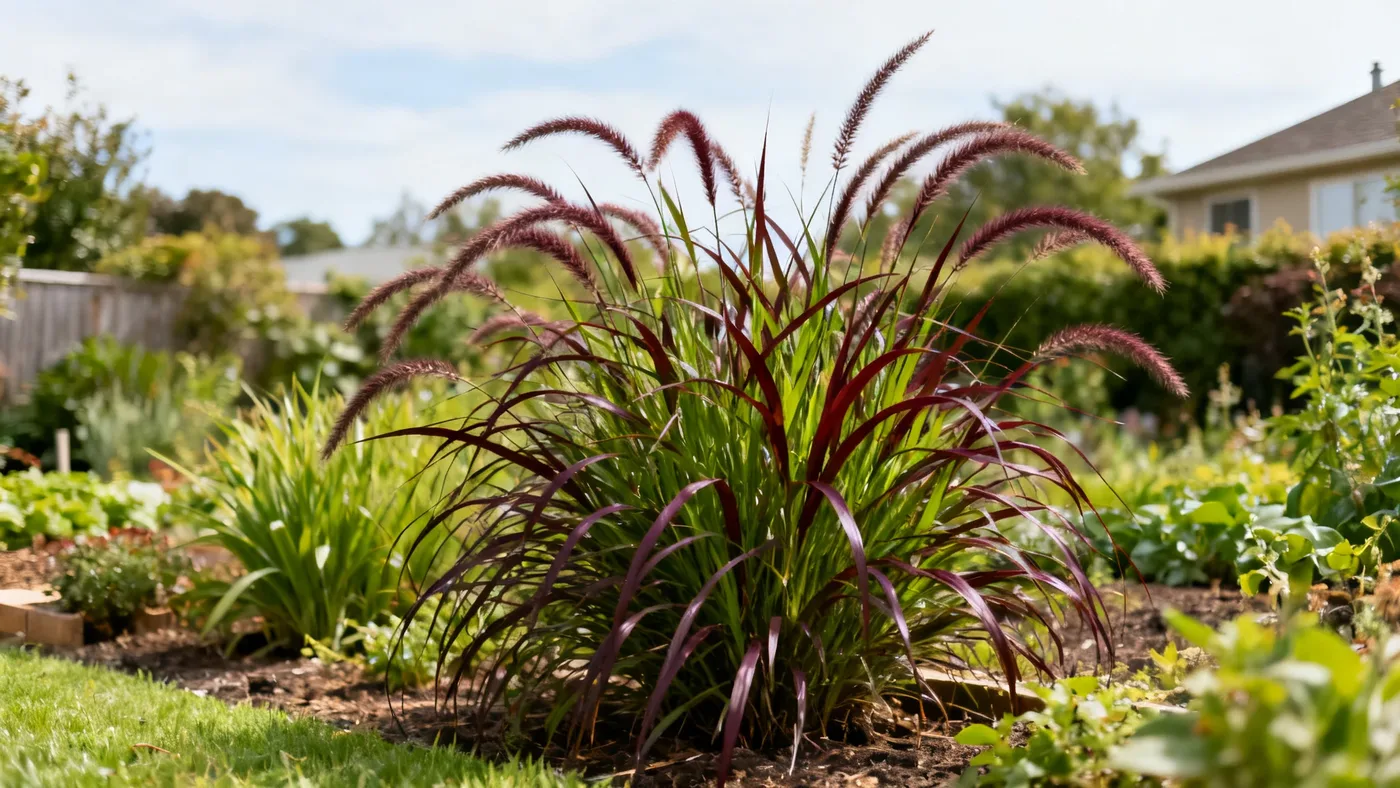
What Hardiness Zones Work Best for Karley Rose Fountain Grass?
Karley Rose Fountain Grass (Pennisetum orientale 'Karley Rose') thrives across most of the continental United States, but success depends on understanding your hardiness zone and making smart choices for your climate. Whether you live in zone 6 where winters can be harsh or in zone 9 where the grass can stay evergreen, this guide answers the questions gardeners ask most about growing this ornamental grass in different regions.
Understanding Karley Rose Fountain Grass Hardiness Zones
What zones does Karley Rose Fountain Grass grow in?
Karley Rose Fountain Grass thrives in USDA zones 6 through 9. Zone 6 is the northern limit for reliable winter survival, though some gardeners push into zone 5 with winter mulch protection. If you live in zones 10 or above, this plant may struggle with excessive heat and humidity, so you would need afternoon shade and consistent moisture.
Is Karley Rose Fountain Grass a perennial?
Yes, Karley Rose Fountain Grass is a warm-season ornamental grass that grows as a herbaceous perennial in its hardy zones (6-9). In zones below 6 where winters are too harsh, it is often grown as an annual, meaning you plant it fresh each spring and let it die back at the first hard freeze. This flexibility makes it adaptable to a wider range of climates than you might initially think.
Can I grow Karley Rose Fountain Grass in zone 5?
Zone 5 is marginal for this grass, and results are unpredictable. Some gardeners in zone 5 report success with thick winter mulch protection (4-6 inches applied after the ground freezes), but root survival is not guaranteed. If you want to try, treat it as a risky perennial, or play it safe and replant it as an annual each spring.
What does USDA hardiness zone actually mean?
The USDA hardiness zone is based on the average minimum winter temperature in your area. Zone 6 experiences lows around -10 to 0 degrees Fahrenheit, zone 7 sees lows of 0 to 10 degrees, and so on. Knowing your zone helps you predict whether a plant's roots can survive winter dormancy, which is the key factor for Karley Rose Fountain Grass hardiness.
Growing Karley Rose Fountain Grass in Different Zones
What is the best way to grow Karley Rose Fountain Grass in zone 6?
Zone 6 is where this grass most reliably survives as a perennial. Plant it in spring after the last frost in a well-drained soil location with full sun exposure. The root system should establish over the first growing season, and by the second year your clump will be more reliably cold-hardy. Cut it back to 3-6 inches above ground in late winter before new growth emerges, or let the dried foliage stand for winter interest if you prefer.
How does Karley Rose Fountain Grass perform in zones 7, 8, and 9?
This is where the grass shines. In zones 7 and 8, winter survival is nearly guaranteed, and your clump will return reliably year after year with minimal fuss. In zone 9, the foliage may persist into winter and can provide texture and dried plumes through the colder months. Spacing should remain 24-30 inches apart regardless of zone, and full sun is ideal in all three zones.
Does Karley Rose Fountain Grass need winter protection?
In zones 7-9, winter protection is usually unnecessary. In zone 6, it's optional, but many gardeners skip it since the root system is generally hardy enough. Zone 5 gardeners who want to attempt perennial growing should apply 4-6 inches of mulch (leaves, straw, or wood chips) after the ground freezes in late fall, removing it gradually in spring as temperatures warm.
When should I cut back Karley Rose Fountain Grass?
Cut the grass back to 3-6 inches above ground in late winter or very early spring before new growth emerges, typically February to early March depending on your zone. The dried plumes and tan foliage can provide winter interest through fall and early winter if you prefer to leave them standing. Never cut back in fall, as the dead foliage insulates the crown and helps protect the root system.
Cold Hardiness and Winter Survival
Will Karley Rose Fountain Grass survive winter in my zone?
If your zone is 6 or warmer, yes, the grass should survive winter reliably, provided the soil drains well and the plant is established. Zones 5 and colder require either winter mulch or growing the grass as an annual. To find your zone, check the USDA Hardiness Zone map on the USDA website using your ZIP code.
How cold hardy is the root system?
The root system of Karley Rose Fountain Grass can tolerate temperatures as low as zone 6 (-10 to 0 degrees F) with good reliability. However, root hardiness varies slightly from plant to plant, especially in marginal zones. Young, newly planted clumps are less hardy than established plants that have been in the ground for 2-3 years and have developed a robust root system.
What happens if the foliage dies back in winter?
Dieback of the foliage above ground is normal and expected in all zones, even zone 9. If the crown and roots remain alive below the soil surface, new shoots will emerge in spring. Total winter dieback in colder zones is actually the plant's way of surviving, by going dormant and protecting its crown. As long as the root system survived, your plant will return.
Should I worry about soil freezing killing the roots?
No, frozen soil itself does not kill hardy perennial roots. What matters is whether the root system can tolerate the low temperatures within that frozen soil. Karley Rose Fountain Grass roots are hardy to zone 6 temperatures. Good drainage is more important than mulch, because standing water around the root crown during freeze-thaw cycles can cause rot, which is more dangerous than cold alone.
Growing as an Annual vs. Perennial
Can I grow Karley Rose Fountain Grass as an annual in cold climates?
Absolutely. If you live in zone 5 or colder and do not want to risk winter dieback, simply treat it as an annual. Plant it in spring after the last frost, enjoy the flowers and foliage all summer and fall, and then pull it up after the first hard freeze. This strategy eliminates the guesswork and is very popular in northern gardens.
Do I need to dig up the plant if I'm growing it as an annual?
No, you do not need to dig it up. Simply let the frost kill the foliage, and then either leave it standing for winter interest or cut it back and mulch it into the soil as organic matter. If you want to save the plant and bring it indoors for winter, you can dig up the clump before the first frost and pot it in a container, but most annual growers simply let it die with the season.
Site Selection and Environmental Factors
Does soil drainage affect Karley Rose Fountain Grass cold hardiness?
Yes, drainage is critical. Well-drained soil prevents water from pooling around the crown during freeze-thaw cycles, which can cause crown rot and root failure even in hardy zones. If your soil is clay or prone to standing water, amend it with sand or compost before planting, or choose a raised bed or slope where water naturally runs off. Poor drainage is a greater threat to winter survival than cold temperatures alone.
Does sun exposure affect cold hardiness?
Full sun exposure does not directly affect root hardiness, but it does strengthen the overall plant. A plant grown in full sun develops a more robust crown and root system than one grown in partial shade, making it more resilient in winter. Aim for at least 6 hours of direct sun daily. Light afternoon shade in very hot zones (9 and up) is acceptable, but do not plant this grass in shade.
What is the best location for winter survival?
Choose a location with full sun, well-drained soil, and good air circulation. Avoid low-lying areas where cold air settles in winter, and do not plant against south-facing walls that can create temperature fluctuations. A slope or slightly elevated area in an open garden bed is ideal. Protection from harsh winter winds is nice in zone 5 and 6, but is not essential if drainage and sun are good.
Planting and Establishment
When is the best time to plant Karley Rose Fountain Grass?
Plant in spring after the last frost in your area. This timing allows the root system to establish throughout the growing season before winter arrives. Spring planting is far better than fall planting, which does not allow enough time for root establishment and increases the risk of winter loss. Check your local extension service for your area's average last spring frost date.
How long does it take for the plant to become established?
The root system establishes over the first growing season, but the clump is not fully mature until year 2 or 3. During this establishment period, the grass grows at a moderate rate of roughly 6-12 inches per year. A nursery-grown division in a quart or #1 container will reach mature size (24-36 inches tall and 24-30 inches wide) within 2-3 seasons.
Does plant maturity affect zone hardiness?
Yes, mature plants are more reliably cold-hardy than young plants. A first-year clump established from a nursery division may struggle in zone 6, whereas a three-year-old established clump will return reliably. This is why many gardeners in marginal zones either mulch young plants their first winter or are prepared to replant if a young plant does not return in spring.
What spacing should I use regardless of zone?
Space plants 24-30 inches apart. This spacing applies equally to zone 6 and zone 9, though the reason is the same in both: adequate air circulation promotes plant health. Closer spacing increases humidity around the crown, which can lead to fungal problems, so do not crowd the plants even if you want a denser display quickly.
Will established clumps spread beyond their zone?
No, Karley Rose Fountain Grass is a clump-forming grass that stays put. It does not have invasive rhizomes or runners. The sterile 'Karley Rose' cultivar also produces very little viable seed, so it is not a self-seeding concern. Over many years, an established clump may decline and benefit from division, but it will not spread aggressively.
Quick Reference: Karley Rose Fountain Grass by Hardiness Zone
| Zone | Winter Survival | Planting Strategy | Winter Care |
|---|---|---|---|
| Zone 5 | Marginal, unreliable | Grow as annual or mulch heavily | Apply 4-6 inches of mulch after ground freezes (optional) |
| Zone 6 | Reliable, especially in year 2-3 | Plant as perennial in spring | Cut back in late winter; mulch optional |
| Zone 7 | Very reliable | Plant as perennial in spring | Cut back in late winter; mulch not needed |
| Zone 8 | Very reliable | Plant as perennial in spring | Cut back in late winter; can leave for winter interest |
| Zone 9 | Very reliable; foliage may persist | Plant as perennial in spring | Can leave standing; foliage provides winter texture |
Next Steps: Learn More About Growing Karley Rose
Now that you understand which hardiness zones work best for Karley Rose Fountain Grass, dig deeper into cultivation. Our complete guide, Karley Rose Fountain Grass Care: The Complete Growing Guide, covers soil preparation, watering, fertilizing, and seasonal maintenance. For step-by-step planting instructions specific to your region, see How to Plant Karley Rose Fountain Grass for Best Results.
Check your local USDA hardiness zone before placing your order, and when you plant in spring, allow the root system a full growing season to establish. This will give you the strongest, most reliable perennial clump in your garden.