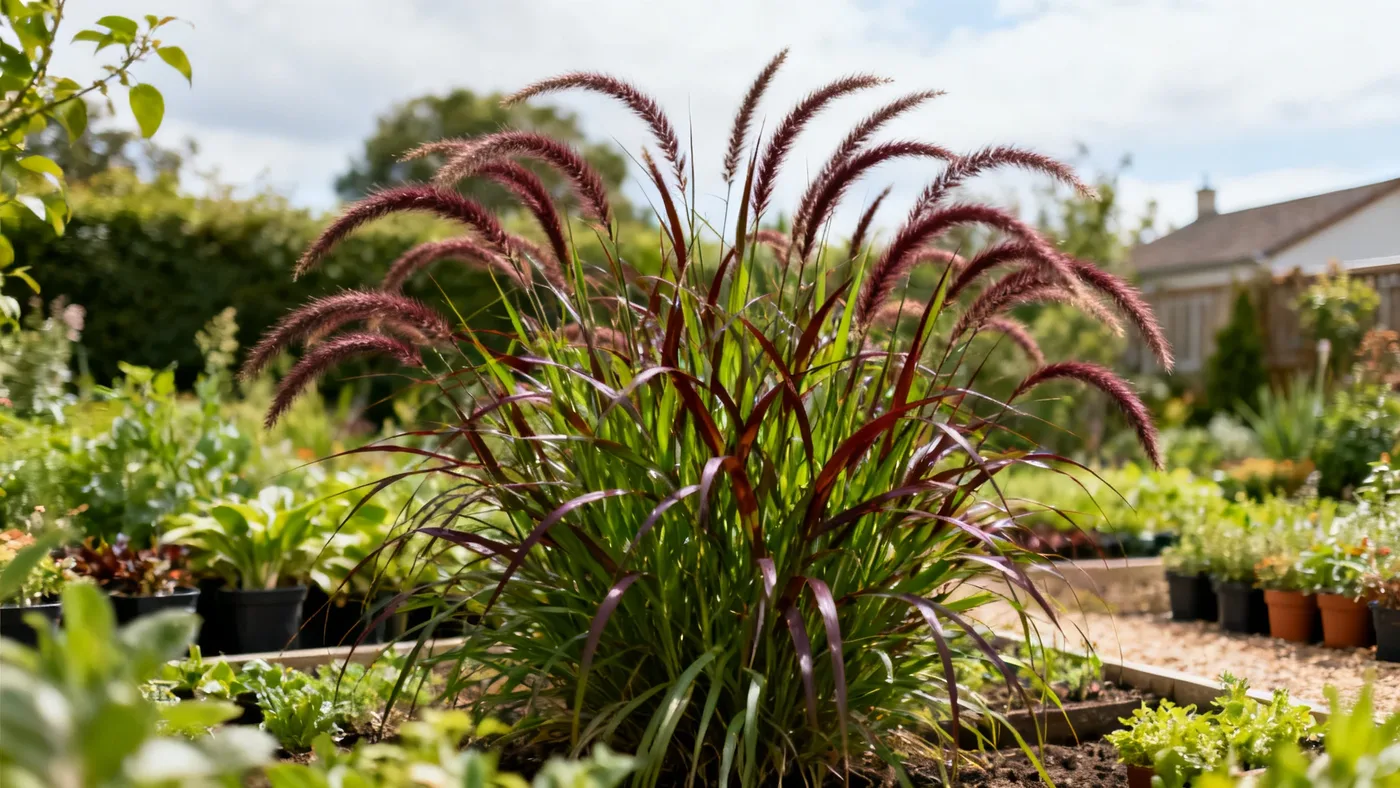
Winter Care for Karley Rose Fountain Grass in Cold Climates
Karley Rose Fountain Grass is hardy in USDA zones 6 through 9, but gardeners in zone 5 and colder parts of zone 6 can still grow it reliably with extra winter protection. The plant's moderate growth rate means it takes 2 to 3 years to reach full maturity, so protecting your investment through winter pays off. The key difference between mild and cold climates isn't whether the plant survives, but how you help it through the freeze-thaw cycles that test even cold-hardy ornamental grasses.
This guide walks you through the practical steps to protect your Karley Rose Fountain Grass from late fall through early spring, whether you're leaving the plumes for winter texture or cutting them back for a cleaner look.
What You'll Need
Before winter arrives, gather these materials:
- Hand pruners or hedge shears
- Work gloves and long sleeves
- Mulch (shredded bark, compost, or straw), 3 to 4 inches deep for zone 5
- Garden twine (optional, for bundling plumes before cutting)
- A rake or garden fork to remove old mulch in spring
The mulch layer is your most important tool. It insulates the soil and roots where the plant's survival depends on, especially in zone 5 where winter dieback to the ground is a real risk.
When to Start: Timing Is Critical
Don't rush winter cleanup. Wait until after the first hard frost (29°F or below) has killed back the foliage. This typically falls between late October and early November in zones 5 and 6, depending on your exact location and that year's weather.
Leaving the plumes standing through early winter serves two purposes. First, the dried seed heads provide winter interest and texture in the landscape. Second, and more importantly for protection, the plume stalks help shed water away from the crown of the plant, reducing the risk of crown rot during rainy periods or snow melt.
If your climate gets heavy, wet snow, you may want to cut back earlier to prevent the weight of snow from splitting the clump. Use your judgment based on local conditions.
Step-by-Step Winter Protection
Step 1: Cut Back the Foliage (Late Winter or Early Spring)
In late winter or very early spring, before new growth emerges (typically February or March), cut the entire plant back to 3 to 6 inches above ground. This is when the grass is still dormant and you can see exactly what you're cutting.
Use sharp hedge shears or hand pruners to make clean cuts. Dull blades tear the stems, leaving ragged edges that can invite disease. Wear gloves and long sleeves: ornamental grass leaves have fine, sharp edges that can irritate skin.
Cut on a dry day if possible. Wet stems are harder to cut cleanly and the plant benefits from a quick drying period before new growth starts.
Step 2: Remove Old Mulch and Debris
Once you've cut back the grass, gently rake away any old mulch or debris that accumulated around the base during fall and winter. You're looking for a clean circle around the plant, roughly 30 inches in diameter (matching the plant's mature width). This removes any places where pests or fungi might overwinter.
Don't dig into the soil or disturb the crown. You're just tidying the surface.
Step 3: Apply Fresh Mulch
This is the most important step for zone 5 gardeners. Spread 3 to 4 inches of mulch around the base of the plant, starting about 2 inches away from the center crown. You're not mulching the crown itself; you're creating an insulating blanket around the root zone.
Use shredded bark, compost, or straw. Avoid fine mulches like peat moss, which can compress and trap moisture against the crown.
The mulch layer does two things: it keeps soil temperatures more stable during freeze-thaw cycles, and it protects roots from the coldest winter temperatures. In zone 5, this layer is the difference between a plant that survives and one that dies back entirely.
Refresh this mulch every spring. Mulch breaks down and settles over the growing season, so you may need to add 1 to 2 inches in early spring before new growth starts.
Step 4: Ensure Excellent Drainage Through Winter
Karley Rose Fountain Grass needs well-drained soil year-round, but winter drainage is especially critical. Standing water in winter leads to root rot and crown rot, which no amount of mulching can prevent.
If your plant is in a low spot where water pools after rain or snow melt, consider moving it or amending the soil with compost before winter sets in. Even raising the planting area by 2 to 3 inches can fix a drainage problem.
If you can't improve drainage this season, monitor the site closely in spring. If the plant shows signs of rot (black, mushy tissue at the crown), the drainage issue is the root cause and must be fixed before next winter.
Options for Mild Zones vs. Cold Zones
In zones 7 through 9, you can leave the dried plumes and foliage standing through most or all of winter for ornamental interest. The plant's dried seed heads, which fade from smoky rose-pink to beige and tan, look striking against snow or frosted landscapes.
In zones 6 and 5, cutting back in late winter is the standard practice. It removes dead material that can harbor pests, exposes new growth in spring, and reduces the risk of disease. You'll lose the winter texture, but you gain a healthier plant.
If you're in zone 5, you can still experiment: leave the plumes on one patch and cut back another section, then observe which performs better in your specific garden. Microclimate matters. A sheltered spot against a south-facing wall may give you the option to leave plumes standing, while an exposed location demands the full mulch-and-cut-back treatment.
Common Mistakes to Avoid
Cutting back too early: If you cut in fall while the plant is still actively growing or just beginning dormancy, you remove the plant's natural insulation and expose tender new growth to frost. Wait until after the first hard frost.
Mulching the crown: Piling mulch up against the center of the plant traps moisture and promotes crown rot. Keep mulch 2 inches away from the base.
Using dense mulches: Fine-textured mulches like peat or shredded leaves can compact into a water-resistant mat. Stick with airy mulches like shredded bark or compost.
Ignoring drainage: Even zone 6 plants will die if they sit in water all winter. If your site stays soggy, the mulch and cutting technique alone won't save the plant. Fix the drainage.
Forgetting to refresh mulch: Mulch settles and breaks down. By midsummer, you may have only 1 to 2 inches left. Add more in spring to maintain protection through the growing season.
What to Expect in Spring
With proper winter care, your Karley Rose Fountain Grass will emerge from dormancy in late spring (April or May, depending on your zone) and begin growing vigorously. You should see new shoots breaking through the old mulch within a few weeks of the last frost.
Growth is moderate: expect the plant to add 6 to 12 inches per year until it reaches its mature height of 24 to 36 inches, which takes about 2 to 3 years from a nursery-grown division. The fresh foliage will be a burgundy-tinged green, and by early summer (June), the first plumes will appear.
In zones 5 and marginal zone 6 sites, you may see some winter dieback, especially in unusually harsh years or if drainage was poor. If the crown survived but some outer shoots didn't emerge, the plant will fill in as the season progresses. If the entire clump seems dead, dig down to the crown: if it's white or tan inside and not mushy, the roots are alive. Wait until midsummer before giving up on recovery.
Most well-established plants (3+ years old) are more winter-hardy than young transplants. If your first winter results in significant dieback, the second and third winters should be easier.
Protecting Established Plants vs. New Plantings
Plant Karley Rose Fountain Grass in spring, after the last frost, so it has the whole growing season to develop roots before winter arrives. A plant that goes into winter with only a few months of root growth is more vulnerable than one established for a full year or more.
First-year plants in zone 5 should get extra mulch, 4 to 5 inches, and a sheltered location if possible. By year two or three, the plant's root system is stronger and can handle the cold more reliably, though you should still maintain the 3 to 4-inch mulch layer.
For more details on how to establish strong root systems in the first year, see our complete growing guide.
Winter Care and Blooming the Next Season
Proper winter care directly affects next year's bloom. If the plant survives winter stressed or depleted, spring growth starts slowly and flowering may be delayed. A well-protected plant that winters successfully will bloom reliably from early summer through fall and may even rebloom, offering a longer display of those distinctive smoky rose-pink plumes.
For details on bloom timing and color, check out our guide on Karley Rose Fountain Grass blooms, color, timing, and duration.
Quick Reference: Winter Care Checklist
| Task | Zone 6+ | Zone 5 | Timing |
|---|---|---|---|
| Leave plumes for winter interest | Optional | Not recommended | Fall through late winter |
| Cut back to 3-6 inches | Yes | Yes | Late winter/early spring, before new growth |
| Remove old mulch and debris | Yes | Yes | After cutting back, in late winter |
| Apply fresh mulch (3-4 inches) | Yes | Yes (4-5 for first-year plants) | After cutting back; refresh in spring |
| Verify drainage | Yes | Critical | Fall, before winter moisture arrives |
| Monitor for crown rot | Monitor | Monitor closely | During wet springs and thaws |
| Divide overgrown clumps (if needed) | Spring only | Spring only, not fall | April-May, after new growth starts |
Long-lived perennial clumps like Karley Rose Fountain Grass can thrive for 5 to 10+ years with proper care. Winter care is one of the most important practices that determines whether your plant makes it to year two, three, and beyond. Invest the time in late winter mulching and cutback, and you'll have a beautiful, reliable performer in your garden for years to come.
See how big Karley Rose Fountain Grass really gets to plan spacing and placement in your garden.