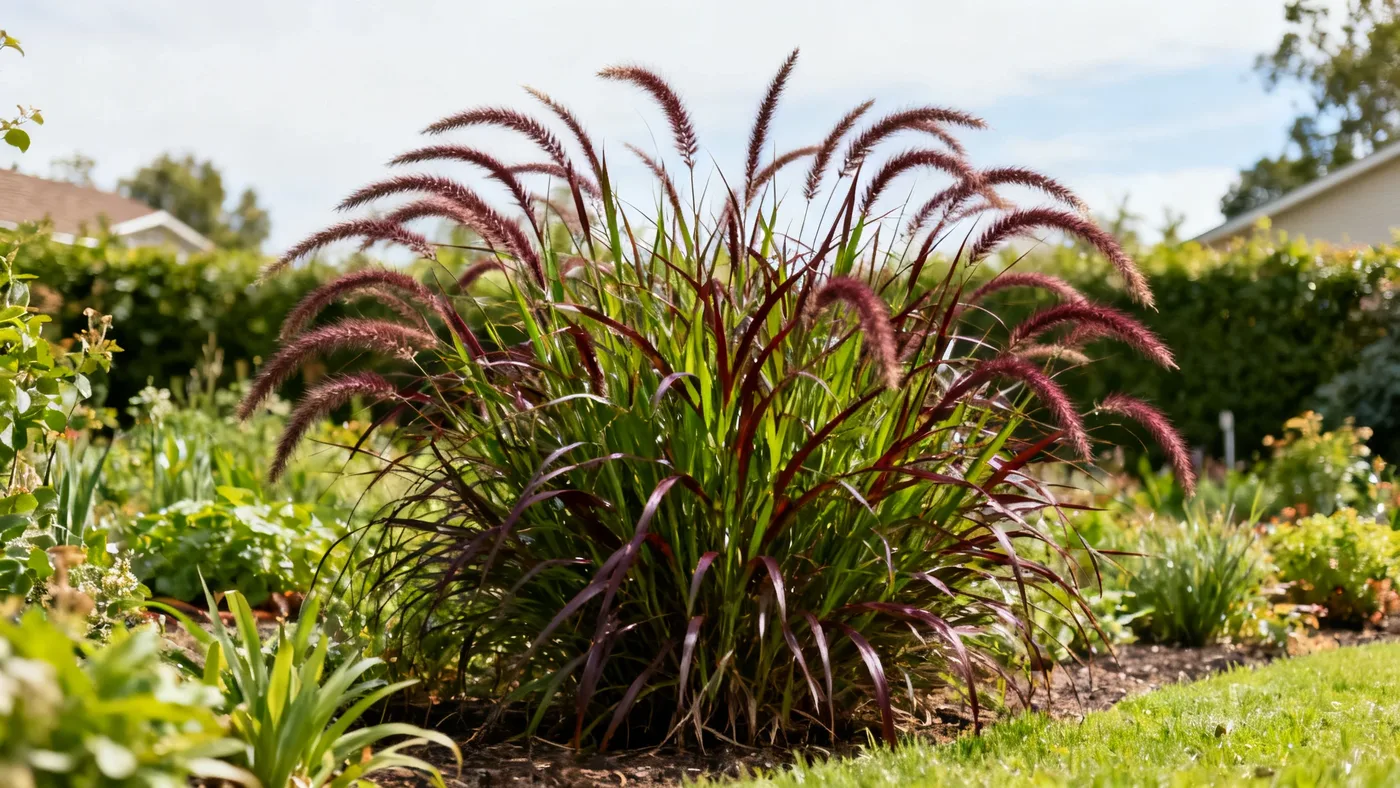
Is Karley Rose Fountain Grass Drought Tolerant?
Yes, Karley Rose Fountain Grass becomes moderately to well drought tolerant once established, making it a practical choice for water-wise landscaping in zones 6-9. However, "drought tolerant" doesn't mean "drought proof" or "plant and forget." The key difference lies in the establishment phase. New plants need regular water for the first growing season to develop deep roots. After that first year, your Karley Rose can weather dry spells and hot summers with far less supplemental watering than traditional ornamental plants.
Why Karley Rose Becomes Drought Tolerant
This cultivar of Pennisetum orientale has the right combination of traits for dry conditions. Its fine-textured, arching foliage minimizes water loss through the leaves. The deep, fibrous root system of established clumps reaches soil moisture that shallow-rooted plants cannot access. In full sun conditions, which Karley Rose prefers, the plant develops thicker, more resilient tissues than it would in partial shade.
The plant's moderate growth rate (6-12 inches of height gain per year) means it doesn't demand constant feeding or watering to stay vigorous. Unlike heavily fertilized perennials, which can become soft and water-dependent, Karley Rose actually performs better with light feeding and drier soil conditions once established.
Materials and Site Preparation
Before planting, gather these essentials:
- One or more nursery-grown Karley Rose divisions (usually sold in 1-gallon or 3-gallon containers)
- Well-drained soil or soil amendment (sand, perlite, or compost to improve existing soil if needed)
- Mulch (2-3 inches; use bark chips, not wood fines)
- Garden spade or planting shovel
- Watering can or garden hose with a soaker setting
- Garden gloves (ornamental grass blades can be sharp)
Site selection is critical. Karley Rose requires full sun to reach its mature size of 24-36 inches tall and 24-30 inches wide. It tolerates very light afternoon shade in hot climates, but partial shade leads to flopping, thinner growth, and reduced flowering. Choose a location that receives at least 6 hours of direct sun daily.
Soil preparation matters more than many gardeners expect. Karley Rose is adaptable to average, sandy, or loamy soils, but it must drain well. Clay-heavy or boggy sites will cause crown rot even after the plant is established. If your soil holds standing water after rain, amend the planting area with 2-3 inches of compost or coarse sand worked 6-8 inches deep, or consider planting on a slight mound.
Planting Steps: Spring After Last Frost
Timing matters. Plant Karley Rose in spring after your last frost date to allow root establishment before summer heat arrives.
- Prepare the planting hole. Dig a hole slightly wider than the root ball (about the same depth as the container it came in). The top of the root ball should sit level with the ground surface, not buried. Planting too deep invites crown rot.
- Space multiple plants correctly. If planting a row or mass, space plants 24-30 inches apart. This spacing allows each clump to reach its mature width of 24-30 inches without crowding. Closer spacing creates a denser, faster-filling planting but will require division sooner.
- Backfill with amended soil. Use the removed soil mixed with compost (roughly 50/50) if your native soil is heavy clay. For already sandy or loamy soil, you can backfill with native soil alone.
- Water thoroughly at planting. Give the newly planted grass a good soaking to eliminate air pockets around the roots and settle the soil. This is the first of many regular waterings during the establishment phase.
- Apply mulch carefully. Spread 2-3 inches of mulch around the base, keeping it 2-3 inches away from the crown of the plant. Never pile mulch against the base; this traps moisture and invites rot. Mulch helps retain soil moisture during establishment and suppresses competing weeds.
The Establishment Phase: Year One
The first growing season is when drought tolerance is built, not assumed. New plants cannot yet survive dry conditions because their roots are shallow and localized to the original root ball.
Watering during establishment: Water newly planted Karley Rose deeply once or twice per week for the first month, depending on rainfall and heat. A soaker hose or drip system works better than sprinklers, which can wet the foliage unnecessarily. Aim to keep the soil consistently moist (not soggy) in the root zone.
As summer progresses and the plant settles in, you can begin tapering frequency. By midsummer (roughly 8-10 weeks after planting), move to once weekly deep watering unless you're in an extended dry spell or extreme heat wave. The goal is to encourage roots to grow deeper in search of moisture, which they will do when surface soil dries slightly between waterings.
By fall of the first year, an established Karley Rose should need supplemental water only during severe drought. If your region receives 1 inch of rainfall per week, the plant likely needs no supplemental water once its roots are developed.
Do not fertilize heavily during the first year. Light feeding (a balanced slow-release fertilizer applied once in spring) supports growth without making the plant soft, water-hungry, or prone to flopping.
Ongoing Drought Tolerance After Year One
Once Karley Rose is established, your maintenance shifts dramatically. The plant enters its moderate-to-good drought tolerance phase and requires far less water management.
Watering mature plants: An established Karley Rose in zone 7-9 can usually go 2-3 weeks without supplemental water, even in summer heat. In cooler zones (6-7), established plants rarely need hand watering except during unusual dry spells. Let soil dry slightly between waterings rather than keeping it constantly moist. This hardening process is exactly what drought tolerance means: the plant performs well despite dry periods, not because it doesn't need water.
Mulch management: Maintain a 2-3 inch mulch layer year-round, refreshing it annually if it breaks down. This conserves moisture without trapping it at the crown, and it also moderates soil temperature in hot climates.
Minimal feeding: Light feeding in spring with a balanced slow-release fertilizer is sufficient. Over-fertilizing reduces flowering and can cause the clump to flop, especially if the plant is in partial shade. This is counterintuitive but reliable: lean plants are tougher plants.
No summer pruning: Resist the urge to deadhead or cut back flowering plumes during the growing season. Let the plant continue its natural cycle of blooming from early summer through fall.
Pruning for Long-Term Health
Pruning actually supports drought tolerance by keeping the clump vigorous. Cut back Karley Rose to 3-6 inches above ground in late winter or early spring before new growth emerges (roughly February-March in zones 7-9, later in cooler zones). Use hedge shears or a stiff brush to remove the spent foliage. This annual cut removes diseased or damaged growth, lets you inspect the crown for rot, and encourages compact, dense re-growth.
Mature clumps (5-10+ years old) sometimes benefit from division in spring to rejuvenate them. A divided plant often performs better and is less likely to flop or thin in the center.
Common Mistakes That Reduce Drought Tolerance
- Planting in poor light. Partial shade reduces the plant's ability to harden tissues and develop the dense growth that resists drought stress. Always plant in full sun.
- Overwatering established plants. Many gardeners water ornamental grasses as often as perennials, which keeps the soil soft and the roots shallow. Let the soil dry between waterings once the plant is established.
- Over-fertilizing. Rich soil produces soft, water-hungry growth and encourages flopping. A light spring feeding is plenty.
- Planting in clay or poorly draining soil without amendment. Wet feet kill drought tolerance. If water pools around the plant after rain, amend the soil or relocate the plant to a drier spot.
- Planting too deep or mulching against the crown. Both trap moisture at the base and invite crown rot, which collapses even otherwise drought-tolerant plants.
- Inconsistent watering during the first year. Drought tolerance is built, not inherited. Neglecting a new plant for weeks, then soaking it, stresses the developing root system. Consistency during establishment pays off with hardiness later.
Expected Results and Performance
A properly sited and established Karley Rose in a typical home landscape should reach its full mature size (24-36 inches tall, 24-30 inches wide) within 2-3 years. The plant may bloom in its first year from a nursery-grown division, but flowering is often lighter than in subsequent years. Once mature, you can expect consistent blooming from early summer through fall, with smoky rose-pink to purplish-pink plumes that fade to beige and tan.
In drought conditions, the flowering may be slightly lighter or later to appear than in years with average rainfall, but this is normal and does not indicate stress. The plant will still thrive.
Fall foliage deepens to burgundy and bronze tones, and in milder zones (8-9) the dried plumes and foliage can persist into winter for continued interest. In colder zones (6-7), plan to cut back after frost or in early spring.
Quick Reference: Drought Tolerance Checklist
| Phase | Timeline | Watering Frequency | Key Actions |
|---|---|---|---|
| Planting | Spring after last frost | Once or twice per week | Full sun site, well-drained soil, mulch 2-3 inches away from crown |
| Early establishment | Months 2-3 (summer) | Once per week | Taper watering frequency as roots develop; light spring fertilizer only |
| Late establishment | Months 4-12 (fall-winter) | Only during severe drought | Resume normal landscape watering in year two |
| Established plant | Year 2 and beyond | 2-3 weeks without water in summer; rely on rainfall otherwise | Annual late-winter cutback to 3-6 inches; divide after 5-10 years if desired |
For more complete guidance on year-round care, see our complete growing guide.