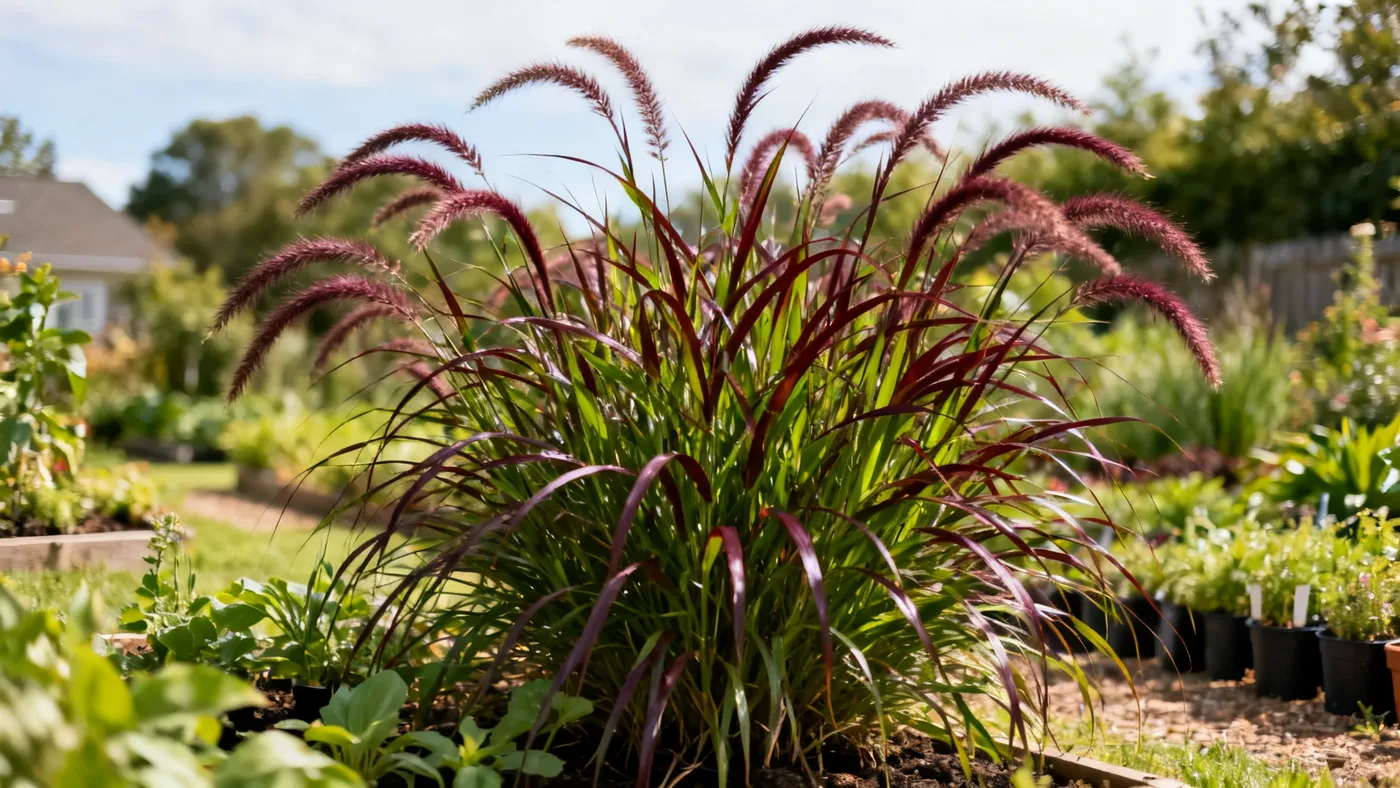
Watering Karley Rose Fountain Grass: A Simple Seasonal Guide
Watering Karley Rose Fountain Grass correctly is one of the easiest ways to keep this plant thriving and blooming reliably from June through frost. Unlike some ornamental grasses that demand either constant moisture or bone-dry conditions, Karley Rose sits comfortably in the middle: it wants regular water while it's getting established, then settles into a moderate, drought-tolerant rhythm once its roots go deep. This guide walks you through exactly when and how much to water, season by season, so you can grow a healthy, full clump without guesswork.
What You'll Need
- A watering can, soaker hose, or drip irrigation system
- A soil moisture meter (optional but helpful for zone 6 gardeners)
- Mulch (2 to 3 inches of wood chips or bark, applied after planting)
- Well-drained soil (the foundation for success)
- A calendar or phone reminder (especially in spring and fall)
Understanding Karley Rose Fountain Grass Water Needs
Karley Rose Fountain Grass has a moderate water requirement that shifts over time. Newly planted clumps need consistent moisture to establish a strong root system, which typically takes one full growing season. Once established, the plant shows good to moderate drought tolerance, meaning it can handle dry spells without wilting. The key is well-drained soil. This grass will not tolerate wet feet, and overwatering is a faster path to trouble than underwatering.
The plant thrives in USDA zones 6 through 9, and your watering strategy should reflect your zone. Gardeners in cooler zones (5 or 6) may find they need to adjust watering more carefully in winter to avoid crown rot, while zone 8 and 9 gardeners benefit from the plant's built-in drought tolerance during dry spells.
Step-by-Step Watering for First-Year Plants (Establishment Phase)
New plants need hands-on attention. Follow these steps to build a sturdy root system:
- Water deeply after planting. After you place the Karley Rose in the ground in spring (after your last frost), water thoroughly so the soil is moist to a depth of 6 to 8 inches. This settles the soil around the roots and eliminates air pockets.
- Check soil moisture twice weekly. For the first 4 to 6 weeks, stick your finger into the soil 2 to 3 inches deep near the base. If it feels dry at that depth, water. If it feels moist, wait another day or two.
- Water at the base, not overhead. Aim for the soil, not the foliage. Overhead watering invites fungal leaf spot in humid conditions and wastes water. Soaker hoses or drip lines deliver water directly to the root zone where it matters most.
- Apply mulch after the first watering. Spread 2 to 3 inches of wood chips around the base, keeping mulch 2 inches away from the crown. Mulch holds moisture in the soil and keeps roots cool during the heat of summer.
- Taper off by mid-summer. By July or August of the first year, transition from twice-weekly checks to once-weekly. The plant is growing rapidly (6 to 12 inches per season), and its root system is expanding. Begin to let the soil dry out slightly between waterings.
- Keep watering through fall. Do not stop watering just because the plant looks dormant or the foliage deepens to burgundy. Water regularly (about once a week) until hard frost to ensure roots are hydrated heading into winter.
Watering Established Plants (Year Two and Beyond)
Once your Karley Rose is into its second growing season, the watering routine eases considerably.
- Water deeply but less often. Switch to a weekly deep watering (1 to 1.5 inches per week, depending on rainfall and your zone). Deep, infrequent watering encourages roots to grow deeper rather than clustering near the surface.
- Account for rainfall. If your area has received 1 to 1.5 inches of rain in a week, skip your supplemental watering. Use a rain gauge or a straight-sided can to measure. This prevents overwatering and saves time.
- Adjust for your zone and season. In zones 8 and 9, once the plant is established, you may water only during extended dry spells (more than 3 weeks without rain). In zones 6 and 7, maintain weekly watering through the growing season to support the flowering display (June through frost).
- Reduce watering in fall and early winter. As days shorten and growth slows, water frequency can drop to every 10 to 14 days unless there is a heat wave or drought. The goal is to avoid saturating the root zone heading into dormancy.
- Leave winter dormancy alone. Once the plant is fully dormant and temperatures are below freezing, stop watering entirely. If your region receives consistent winter snow or ice, that provides the moisture the roots need. In dry winters or zones with warm spells mid-winter, a single deep watering in late winter (if there is a warm day) can help, but it is rarely needed for established clumps.
Seasonal Watering Calendar
| Season | Frequency | Depth/Amount | Notes |
|---|---|---|---|
| Spring (after last frost) | 2-3 times per week (first 4-6 weeks), then weekly | 6-8 inches (establishment), then 1-1.5 inches/week | Plant is growing fast. Check soil moisture. Apply mulch. |
| Early Summer (June-July) | Weekly | 1-1.5 inches per week | Heavy flowering period. Consistent moisture supports blooms. |
| Mid-Late Summer (August-September) | Weekly, or skip if rainfall adequate | 1-1.5 inches per week | Begin tapering if established. Let soil dry between waterings. |
| Fall (October-November) | Every 10-14 days | 0.75-1 inch per week | Foliage deepens to burgundy. Reduce frequency as frost approaches. |
| Winter (December-February) | None (in cold zones); one deep watering if very dry | 1-1.5 inches if watering | Dormant. Avoid wet conditions to prevent crown rot. Zone 6 gardeners should be cautious. |
Signs of Overwatering and Underwatering
Knowing what to look for helps you adjust before a problem takes hold.
Overwatering symptoms: Leaves turn yellow and feel soft or mushy. The base of the clump smells rank or musty (a sign of root or crown rot). New growth is slow, and the plant appears to be declining despite regular water. If you notice these signs, reduce watering frequency immediately and check that your soil drains well. If the soil holds water (feels heavy and compacted), amend it with perlite or sand to improve drainage.
Underwatering symptoms: Foliage becomes dull and pale, and new growth slows noticeably. The soil pulls away from the edges of the pot (if container-grown). The plant wilts in the heat of the day, even if it recovers at night. Blooms may be fewer and smaller than expected. If you spot these signs, increase watering frequency and apply a fresh layer of mulch to retain soil moisture.
Watering in Containers
Karley Rose Fountain Grass is well-suited to large containers and grows to the same 24 to 36 inches tall and 24 to 30 inches wide as in-ground plants. Container plants dry out faster than in-ground clumps, especially in summer heat and wind.
- Use a large pot (at least 12 to 15 inches deep) with drainage holes.
- Water when the top inch of soil feels dry to the touch, usually every 3 to 5 days in summer.
- In spring, water more frequently as the plant breaks dormancy and grows. In fall and winter, reduce frequency.
- Use high-quality potting mix (not garden soil) to ensure drainage and prevent waterlogging.
- If the container is outdoors and your zone gets very cold, move it to a sheltered location or wrap the pot in burlap to protect roots from extreme freezing.
Common Mistakes to Avoid
- Watering on a fixed schedule: Adjust for rainfall and temperature. Just because it is Wednesday does not mean your plant needs water.
- Watering overhead: Wet foliage invites fungal issues. Drip irrigation or soaker hoses are more efficient and healthier for the plant.
- Planting in poorly drained soil: If your soil is clay-heavy or compacted, amend it with sand, perlite, or aged compost before planting. Karley Rose cannot succeed in soggy conditions.
- Ignoring winter moisture: While the plant is dormant, do not leave it bone-dry all season. A single deep watering in late winter during a warm spell can help in zones 6 and 7.
- Skipping mulch: Mulch is not optional. It moderates soil temperature, reduces evaporation, and keeps roots cool. Refresh it each spring.
Tips for Best Results
- In hot climates (zones 8 and 9), water in early morning to minimize evaporation and allow foliage to dry quickly.
- Use a moisture meter if you are unsure about soil conditions, especially if you are new to growing ornamental grasses.
- Plant in spring after your last frost date to give the clump a full growing season to establish before winter stress.
- Once the plant is mature (after year 2), you can rely more on natural rainfall, especially if well-drained soil was in place from the start.
- If your Karley Rose is part of a mixed perennial border (try pairing it with Salvia, Rudbeckia, or coneflower), coordinate watering so companion plants get consistent moisture too.
- For more complete care information including pruning and pest management, see the complete growing guide.
- Understanding mature size helps you plan spacing and watering accordingly. Learn more about how big Karley Rose gets to position plants at proper distances and reduce water competition.
Quick Reference: Watering Checklist
| Task | Timing | How Often |
|---|---|---|
| First deep watering after planting | Immediately after planting in spring | Once |
| Check soil moisture (Year 1) | First 4-6 weeks after planting | Twice weekly |
| Apply mulch | After first watering, spring | Once; refresh each spring |
| Water establishment phase | Spring through fall, Year 1 | Weekly by summer; skip if rainfall adequate |
| Transition to maintenance watering | Year 2 and beyond | Weekly or every 10 days; adjust for rainfall |
| Stop watering for winter dormancy | When ground freezes solid | Resume only for late-winter warm spells if very dry |
| Inspect for overwatering signs | Monthly during growing season | Look for yellow foliage, soft growth, musty smell |
| Inspect for underwatering signs | Monthly during growing season | Look for pale foliage, slow growth, wilting |