Common Karley Rose Fountain Grass Problems and How to Fix Them
Karley Rose Fountain Grass (Pennisetum orientale 'Karley Rose') is generally a low-maintenance, problem-free plant. But even tough ornamental grasses run into trouble. The good news: most issues are preventable, and the fixes are straightforward. This guide walks you through the most common problems home gardeners encounter and exactly how to address them.
1. Clumps Flopping or Splitting Open
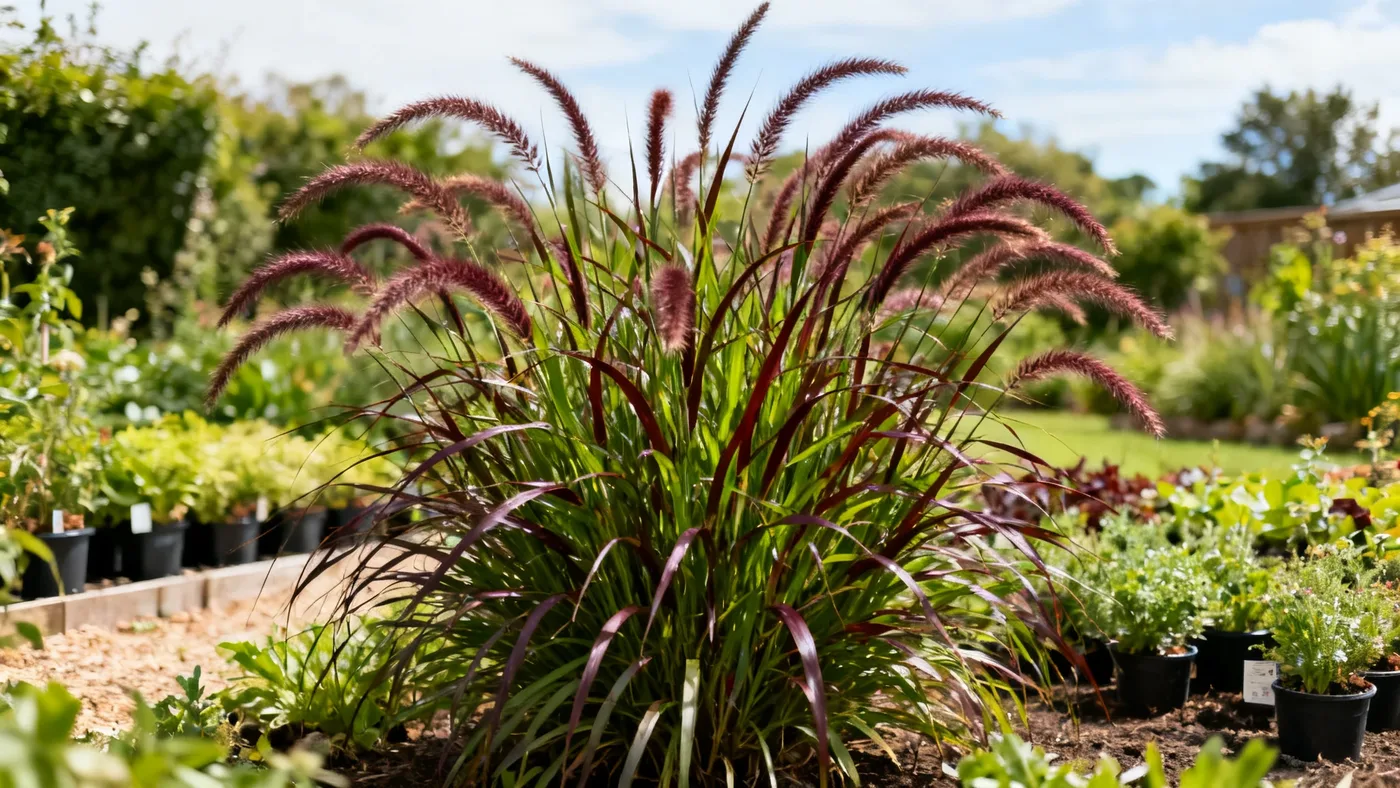
A mature Karley Rose reaches 24 to 36 inches tall (including plumes) and spreads 24 to 30 inches wide, forming a fountain-shaped mound. When that mound splits at the center or flops over by mid-summer, the culprit is usually one of three things: too much nitrogen fertilizer, overly rich soil, or insufficient light.
Excess nitrogen forces fast, soft growth that can't support the plant's own weight. This is especially common in well-amended beds meant for demanding perennials. Shade also weakens stems. The plant needs full sun to develop sturdy, upright growth. If your Karley Rose is in light afternoon shade in a cooler climate, it may still get the extra N from lawn fertilizer drift or compost-heavy soil nearby.
Fix it: Stop fertilizing or switch to a balanced slow-release fertilizer applied only once in spring at half strength. Divide the clump in early spring if it's already splitting (cut back to 3 to 6 inches first). If you're planting new, confirm the site gets at least 6 hours of direct sun, and skip the extra compost amendment. The soil doesn't need to be rich; this grass prefers average to sandy, well-drained conditions.
2. Winter Dieback to the Ground (or Complete Winter Loss)
Karley Rose is hardy in zones 6 through 9, though zone 5 is marginal. In zone 5 or when mulch washes away, plants often die to the ground in winter or fail to return in spring. This isn't a disease, it's hardiness. Root survival varies by site, microclimate, and winter severity. Plants grown as divisions from nursery stock bloom in their first year, but that doesn't mean they have full root depth by autumn.
The dieback is normal in colder zones. The plant either regrows from the crown in spring (if roots survived) or dies completely if the root system wasn't established before the freeze. You'll know by mid-spring: if no shoots appear by late April or May, the roots didn't make it.
Fix it: In zones 6 and colder, apply 3 to 4 inches of mulch around the base after the first hard frost in late autumn, covering the crown lightly. Mulch helps insulate the soil and keeps the crown from frost-heaving. In zone 5, treat Karley Rose as an annual, or be prepared to replant each spring. Never cut the plant back in fall in cold climates; leave the dried foliage standing through winter as added insulation, then cut back to 3 to 6 inches in late winter or early spring before new growth emerges.
3. Spider Mites and Mealybugs
Karley Rose is generally pest-free, but occasional spider mites and mealybugs do show up. Spider mites thrive in hot, dry conditions and cause fine webbing, stippled (pale, speckled) foliage, and a general decline in vigor. Mealybugs cluster on stems and leaves, secrete a waxy coating, and attract sooty mold fungus.
Spider mites are most common when the plant is drought-stressed, even if you think you're watering. Remember, Karley Rose is only moderately drought tolerant once established. Newly planted divisions need regular water until roots fill out. Mealybugs often arrive on transplants or spread from infested nearby plants and are slower-moving, so they're easier to spot early.
Fix it: For spider mites, increase air circulation, avoid overhead watering (which can spread them), and ensure the plant gets regular deep water, especially during heat waves. If infestation is severe, spray with horticultural oil or neem oil every 7 days for three weeks, hitting the undersides of leaves. For mealybugs, prune off heavily infested stems and spray insecticidal soap or neem oil, repeating weekly for 3 weeks. Apply in early morning or late evening to avoid harming beneficial insects.
4. Crown Rot and Root Rot from Excess Moisture
Despite its moderate water needs, Karley Rose can develop crown rot if soil stays wet. This happens most often in heavy clay, poorly drained beds, or containers without drainage holes. The crown (base of the plant where stems meet roots) begins to soften, smell sour, and the plant yellows and collapses.
Once crown rot sets in, it's hard to reverse. The fungal rot works fast, especially in warm, humid conditions. Prevention is far easier than treatment. The plant's root system is adapted to moderate moisture and well-drained soil; soggy conditions override its natural resilience.
Fix it: At first signs of soft, mushy growth at the base, cut away all affected tissue with a clean knife and let the cut dry for a day or two before watering again. Reduce watering frequency. If the whole crown is rotted, pull the plant and improve the bed's drainage by amending with sand or perlite, or replanting in a raised bed. Check container drainage holes are open. For future plantings in heavy soil, add coarse sand or compost to break up clay and improve percolation.
5. Fungal Leaf Spot in Humid Climates
Brown or dark leaf spots with concentric rings or halos appear in humid, wet climates or when drainage is poor. Leaves may yellow around the spots and eventually drop. Fungal leaf spot is generally cosmetic in the early stages but can weaken the plant if it spreads to many leaves.
This disease thrives in high humidity, poor air circulation, and consistently wet foliage. Overhead watering that wets the leaves morning and evening creates the ideal environment. Cool nights followed by warm days without drying time lock in moisture on the plant surface.
Fix it: Water at the base, never overhead. Space plants 24 to 30 inches apart (the recommended mature spacing) to allow air to flow through the clump. Prune or thin overcrowded plantings to open up the canopy. Remove affected leaves as soon as you see them. In severe cases, a fungicide labeled for ornamental grasses can slow spread, but improving conditions (air flow, drainage, watering method) is the real solution. Leaf spot often disappears on its own once humidity drops in fall or late summer.
6. Sparse Flowering or No Blooms at All
Karley Rose should produce smoky rose-pink to purplish-pink plumes from early summer through fall, typically June until frost in warm climates. A plant that looks healthy but gives you few or no flowers points to three possible causes: too much shade, too much nitrogen, or the plant isn't mature enough yet.
Blooms require energy. Excess nitrogen redirects that energy into leaf growth instead. Shade reduces the plant's ability to generate enough energy for flowering. Conversely, a young division blooms in its first year, but that bloom might be modest if roots are still settling in.
Fix it: Confirm your plant gets full sun (at least 6 hours of direct light daily). If it does, stop or reduce nitrogen fertilizer. A balanced slow-release applied once in spring is all this plant needs; some gardeners skip fertilizer entirely. If the plant is a newly divided piece less than a year in the ground, give it another season. Once established, a well-sited Karley Rose flowers reliably and often reblooms after being cut.
7. Foliage Turning Brown in Fall
Burgundy and bronze tones are normal in fall. Karley Rose's fine-textured foliage deepens from its growing-season green to warm reddish and bronze tones as temperatures drop. This is healthy color change, not disease or decline. The dried plumes fade to beige and tan and often persist into winter, adding months of winter interest.
The confusion arises because brownish tones look like dead tissue to some gardeners. But if the foliage is still upright, structurally sound, and pleasant to look at, nothing is wrong. The plant is simply entering dormancy and will stay this way through winter in zones 6 to 9.
Fix it: Leave it alone. Enjoy the dried texture and color through winter. Cut back in late winter or early spring (late February or March in most zones), when you see new growth emerging at the base. You can cut it back anytime after the first frost if appearance matters more than winter interest, but many gardeners like the dried clump in the landscape through January.
Quick Reference: Troubleshooting Checklist
| Problem | Most Likely Cause | Quick Fix |
|---|---|---|
| Clump flopping or splitting | Too much nitrogen, poor light, or overly rich soil | Stop fertilizing, ensure full sun, divide if necessary |
| Dies to ground in winter or doesn't return in spring | Zone 5 or colder, inadequate mulch, or shallow roots | Mulch 3-4 inches after first frost; treat zone 5 as annual |
| Fine webbing, stippled leaves, decline in vigor | Spider mites in hot, dry conditions | Increase watering and humidity; spray neem oil if severe |
| Waxy clusters on stems, sticky residue | Mealybugs | Prune infected stems; spray insecticidal soap weekly for 3 weeks |
| Soft, mushy crown; plant collapses | Crown rot from overly wet soil | Remove affected tissue; reduce watering; improve drainage |
| Brown or dark spots on leaves, yellowing | Fungal leaf spot in humid, wet conditions | Water at base only; improve air flow; remove affected leaves |
| Few or no flowers despite healthy foliage | Too much shade, too much nitrogen, or young plant | Ensure full sun; reduce fertilizer; wait another season if newly planted |
| Foliage turning burgundy or bronze in fall | Normal seasonal color change | No action needed; enjoy winter interest or cut back in early spring |
Most karley rose fountain grass problems trace back to one root cause: site conditions that don't match the plant's needs. Full sun, well-drained soil, moderate water, and minimal fertilizer are the foundation. When you work within those parameters, this grass thrives and stays problem-free for 5 to 10 years or more before clumps benefit from division and rejuvenation.
For a complete growing guide covering planting, care, and pruning schedules, see Karley Rose Fountain Grass Care: The Complete Growing Guide.