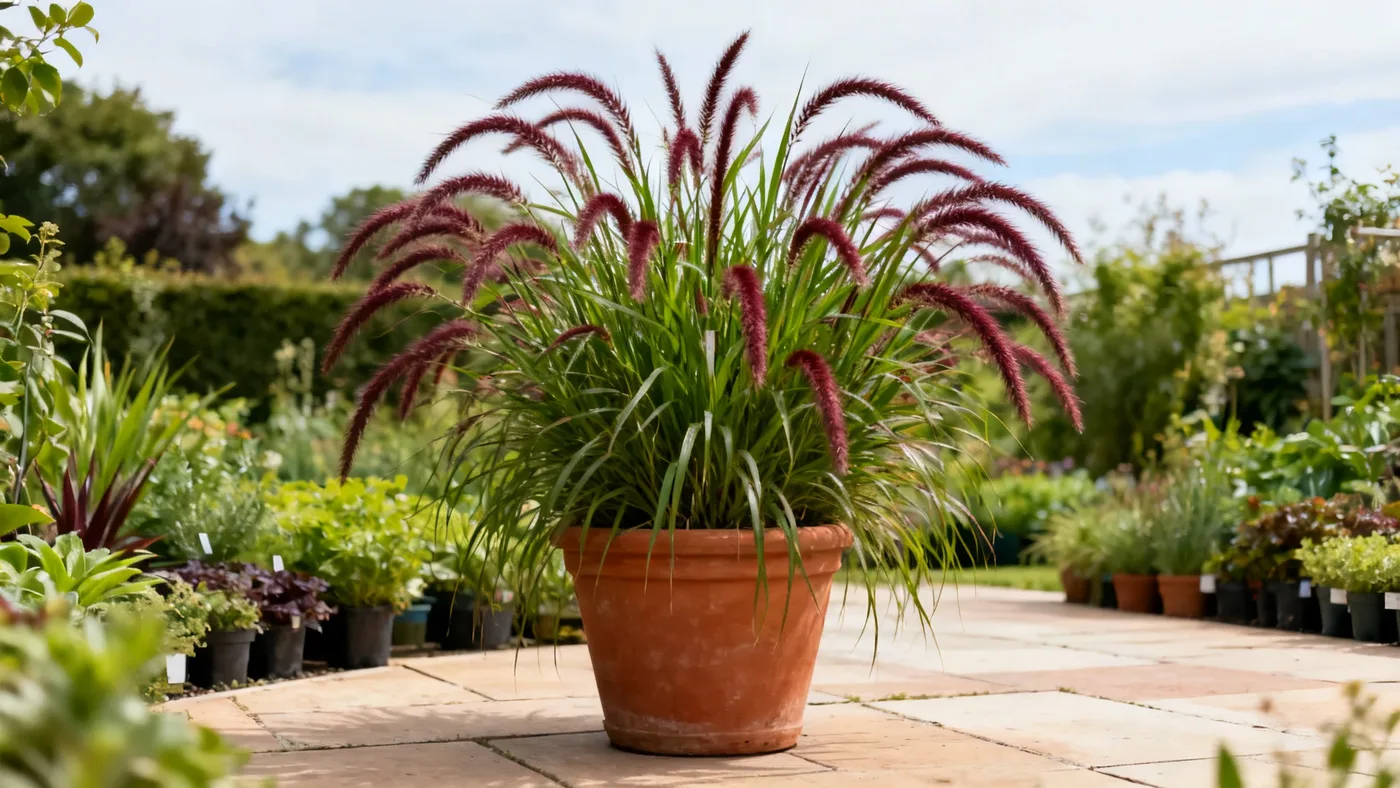
Buying Karley Rose Fountain Grass: Container Sizes Explained
Karley Rose Fountain Grass (Pennisetum orientale 'Karley Rose') appears in most nursery catalogs in three standard container sizes: quart, #1, and #3. Understanding what each size offers, what to inspect before buying, and where to source plants will help you make the smartest purchase for your garden and budget.
What You're Actually Buying
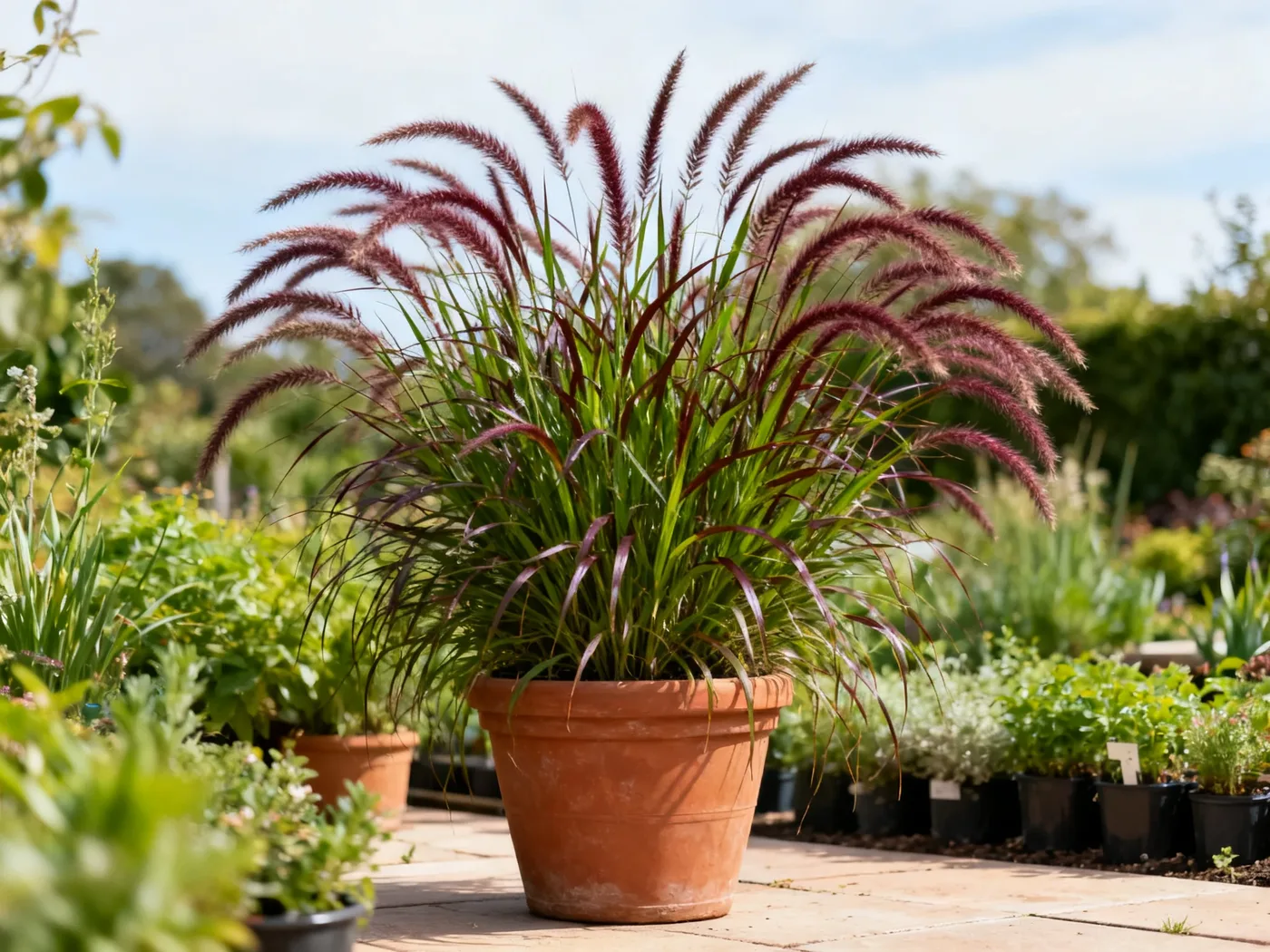
Unlike some perennials that take years to flower, Karley Rose blooms in its first year when purchased as a nursery-grown division. That said, the plant reaches its full mature clump size, 24 to 36 inches tall and 24 to 30 inches wide, over 2 to 3 seasons. This matters for your buying decision. A quart-sized plant will establish faster than you might expect, but a #1 container gives you an instant, fuller impact in the garden.
Karley Rose grows at a moderate pace: expect roughly 6 to 12 inches of growth per year until it fills out completely. This is important context for spacing. Most gardeners space plants 24 to 30 inches apart, accounting for that mature width.
Container Sizes: What Each Means
Quart Containers
A quart pot holds a young plant, usually 4 to 8 inches tall with one or two established shoots. These are the most affordable option and ship easily. Quart plants reach mature size in 2 to 3 seasons, making them ideal if you are patient and want to stretch your budget across multiple plants.
Best for: mass plantings, xeriscaping projects where you are buying 10 or more plants, or home gardeners willing to wait for a fuller display.
#1 Containers (One Gallon)
A #1 pot is the nursery standard. These plants are typically 12 to 18 inches tall with a denser root system and multiple established shoots. You get noticeable structure the year you plant, and the grass will fill out another 25 to 50 percent by the end of the first season.
Best for: small to medium mixed borders, container gardening, or anyone wanting immediate visual presence without waiting multiple years.
#3 Containers (Three Gallon)
A #3 pot holds a fully mature or near-mature plant, often 24 to 30 inches tall already. These are the most expensive but deliver instant landscape impact. The root system is established and extensive, so transplant stress is minimal if you keep the soil undisturbed during planting.
Best for: focal-point plantings, landscape contractors, property owners who want year-one drama, or situations where waiting 2 to 3 seasons is not an option.
Quality Indicators: What to Look For
Regardless of container size, inspect the plant before purchasing. A healthy Karley Rose plant should show these signs:
- Dense, fine-textured foliage that is green with burgundy tinges, not yellowed or pale.
- No wilting or drooping leaves, even if the day is hot. A quick stem bend test (gently bending a leaf blade) should show it snapping back.
- Plumes present or emerging, if purchasing during late spring through fall. Early plumes signal a vigorous, mature plant.
- No soggy or foul-smelling soil. Tip the pot to feel the soil weight; it should feel moist but light, not waterlogged.
- No scale, mealybug, or spider mite damage. Look for sticky residue, tiny white clusters, or stippling on leaves.
- Roots visible but not severely circling the pot. Light root circling is normal; a dense root mat wrapping the inner wall multiple times signals the plant has been containerized too long.
Red Flags to Avoid
Do not buy plants showing these problems:
- Brittle or straw-colored foliage. This often indicates the plant sat in harsh sun without water, or the soil has been allowed to dry completely.
- Fungal spots or dark streaks on leaves. Occasional minor blemishes are acceptable, but widespread spotting suggests disease or prolonged wetness.
- Visible insect damage. Small mealybug clusters can be treated, but heavy infestations will stress the plant after transplanting.
- A massively pot-bound root system with roots coming out drainage holes. The plant may not recover quickly in the garden.
- Floppy or leggy growth with sparse foliage. This often means the plant was grown indoors or in partial shade; it will need months to adapt to full sun.
- Price that seems too low for size. Discount plants are often clearance stock that has been neglected for weeks.
Price Points and Value
Pricing varies by region and nursery, but here is a realistic breakdown to help you budget:
Quart containers: typically $6 to $12 per plant. Buy these in batches of five or more to reduce per-unit cost. Ideal for large projects.
#1 containers: typically $12 to $25 per plant. This is the best value-to-impact ratio for most home gardens. Most nurseries stock this size.
#3 containers: typically $25 to $50 per plant. Premium pricing for immediate landscape presence. Worth it for focal plantings or when contractors bill by visual impact rather than planting cost.
Mail-order specialty nurseries often charge slightly more but may offer rare cultivars or bulk discounts. Local retail nurseries let you inspect plants in person, which reduces risk. Big-box garden centers have low prices but less staff expertise, and stock rotates quickly so you may miss your ideal size or miss availability entirely.
Where to Buy Karley Rose Fountain Grass
Local Retail Nurseries
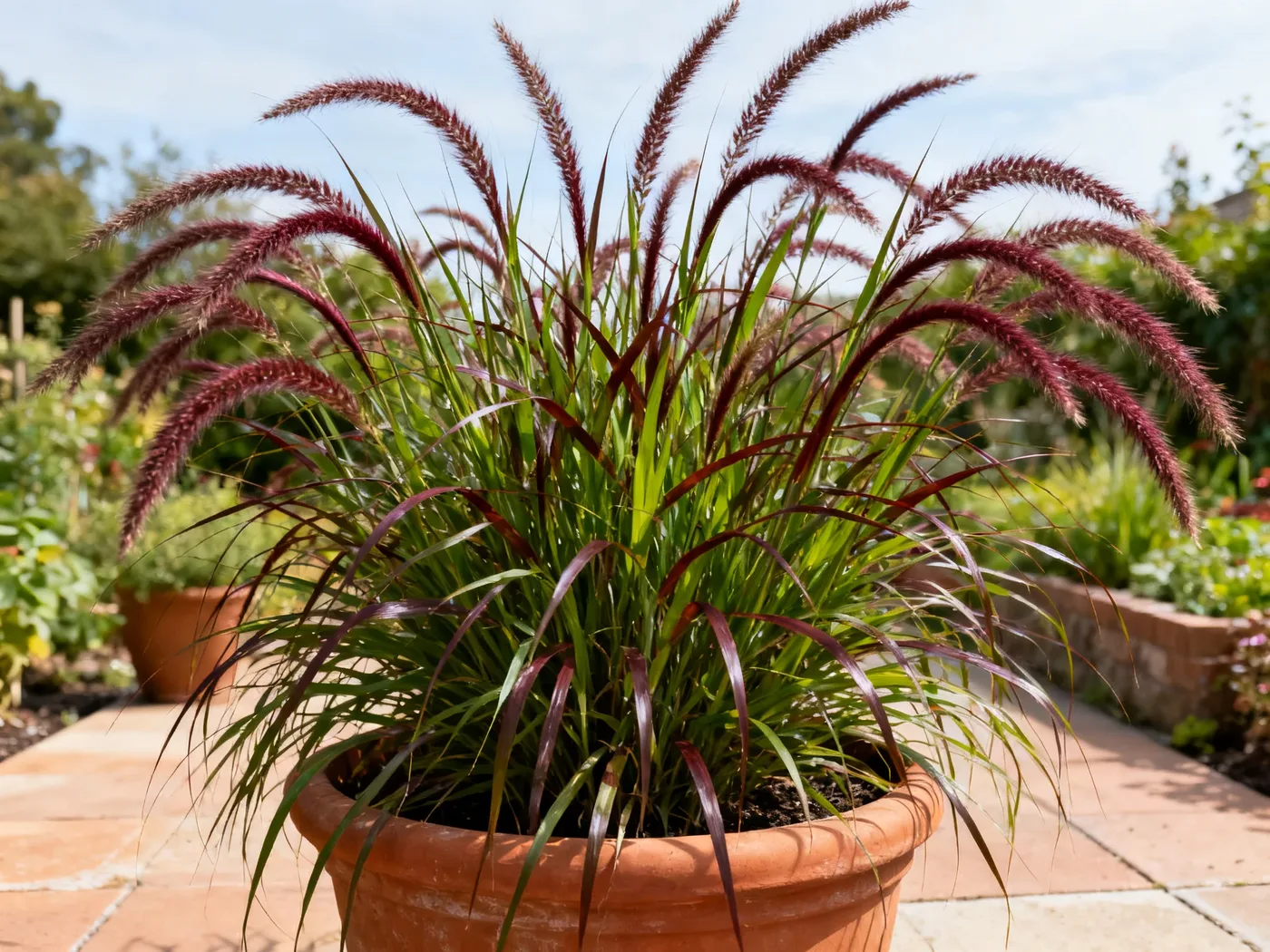
Your best bet for hands-on inspection and same-day pickup. Most regional nurseries and garden centers in USDA zones 5 through 9 stock Karley Rose, especially in spring and early summer. Staff can advise on local soil conditions and hardiness, which is valuable in marginal zones. Call ahead to confirm availability and container size, since stock runs thin during peak season.
Specialty Mail-Order Nurseries
Online nurseries ship quart and #1 containers nationwide. Shipping adds cost and time (plan on 7 to 14 days in transit), but specialty growers often carry multiple pennisetum cultivars, including Karley Rose alongside related species. Review the grower's return policy in case the plant arrives damaged.
Online Marketplaces and Big-Box Retailers
Amazon, Home Depot, and Lowe's list Karley Rose seasonally, usually spring through late summer. Prices are competitive, but plant quality is inconsistent and customer reviews are hit-or-miss. Shipping can take a week or more. If you choose this route, read recent reviews carefully and confirm the exact cultivar and container size in the product description.
Direct from Growing Operations
Some specialty grass growers sell directly to landscapers and home gardeners via their websites. You often get volume discounts for orders of five or more #1 plants. Shipping costs are higher, but per-plant pricing can be lower than retail.
Selecting the Right Size for Your Project
Ask yourself these questions before deciding:
Do I have a tight budget but plenty of time? Buy quart plants and space them 24 to 30 inches apart. They reach mature size in 2 to 3 years without gaps if you water regularly and mulch during establishment.
Am I planting a mixed border that already has other perennials? Buy #1 plants for visual balance. They are large enough to anchor the design immediately and hold their own alongside coneflowers, salvia, and other mid-height companions.
Am I creating a focal point or mass planting for year-one impact? Buy #3 plants or a mix of #1 and #3. These deliver the full mature height (24 to 36 inches with plumes) and width (24 to 30 inches) straight away.
Am I growing Karley Rose in a container? The plant is well-suited to containers with good drainage. A #1 or #3 plant fits comfortably in a pot 18 to 24 inches deep and wide. Use a quality potting mix, not garden soil, and water regularly during summer heat.
After You Buy: Planting and Establishment
Once you bring your plant home, water it thoroughly and plant it within a few days. Karley Rose needs full sun, so choose a spot that receives at least six hours of direct sun daily. It is more sun-tolerant than shade-tolerant; light afternoon shade helps in extremely hot climates, but partial shade often leads to floppy growth.
Prepare the planting hole by working well-drained soil into the area. Karley Rose adapts to average, sandy, or loamy soils and prefers a pH near neutral (around 6.0 to 7.5). Water regularly until the plant is established, typically 4 to 6 weeks. After that, moderate water through the growing season is sufficient; the plant tolerates moderate drought once established.
Check your local growing zone before buying. Karley Rose is hardy in USDA zones 6 through 9. In zone 5, it may not overwinter reliably and is often grown as an annual, though winter mulch offers some protection in marginal areas.
Quick Reference Checklist
| Container Size | Typical Height | Typical Price Range | Maturity Timeline | Best For |
|---|---|---|---|---|
| Quart | 4 to 8 inches | $6 to $12 | 2 to 3 years | Budget projects, mass plantings, patient gardeners |
| #1 (1 gallon) | 12 to 18 inches | $12 to $25 | 1 to 2 seasons | Mixed borders, containers, balanced impact |
| #3 (3 gallon) | 24 to 30 inches | $25 to $50 | Mature or near-mature at purchase | Focal points, year-one drama, contractors |
Quality Checklist
- Dense, green foliage with burgundy tinges
- No wilting or yellowing
- Plumes present or emerging (if buying May through October)
- Moist soil, not waterlogged
- No scale, mealybug, or mite damage
- Minimal root circling in pot
- No fungal leaf spots or stem streaks
Planting Essentials
- Full sun (at least 6 hours daily)
- Well-drained soil, neutral pH preferred
- Spacing: 24 to 30 inches apart
- Hardy zones 6 through 9 (zone 5 with mulch protection)
- Water regularly until established, then moderate drought tolerance
For complete growing care after purchase, see Karley Rose Fountain Grass Care: The Complete Growing Guide.